Social media platforms like Instagram, TikTok, Facebook, and YouTube have become central to our lives. We use them to share pictures, videos, connect with friends, stay informed, and even learn new things. But, while these platforms are fun and useful, they are also incredibly powerful. People can use them to spread information, influence opinions, and even organize events. That’s why governments around the world are paying close attention to what’s happening on social media.
Governments are watching social platforms because they want to make sure they are being used in ways that are safe, fair, and legal. Social media can be a great tool, but it can also be used to spread misinformation, encourage harmful behavior, or violate people’s privacy. In this article, we’ll explore why governments are keeping an eye on social media, how social platforms are affecting society, and what actions governments are taking to ensure that these platforms are being used responsibly.
The Power of Social Media
Before we get into why governments are watching social media, let’s first understand how powerful these platforms are.
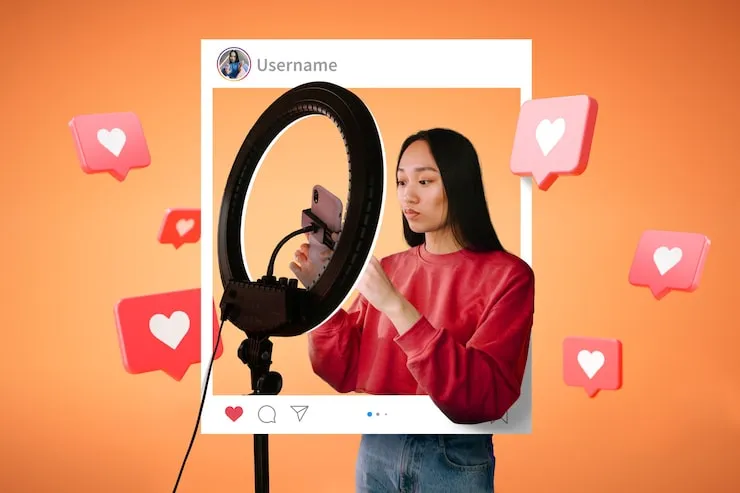
Social media is not just a place to share pictures or watch funny videos—it’s also a space where millions of people exchange ideas, organize movements, and even influence elections. Here are a few examples of how social media can have a big impact:
-
Influencing Public Opinion: Social media can help shape what people think about a topic or issue. For instance, a tweet or a viral post can spread a message to millions of people in a matter of hours. Politicians, celebrities, and companies use social media to reach their audiences and share their opinions.
-
Spreading News and Information: Social media platforms are now one of the main ways people get their news. Whether it’s breaking news about a natural disaster or a new law being passed, social media is where people turn to find out what’s happening in the world. However, this can be tricky because not all the information shared on social media is true.
-
Organizing Movements: Social media has been used to organize protests, movements, and even large events. For example, many protests around the world have started because people shared ideas and organized online. These movements can be powerful, but they can also cause unrest if they’re based on false information or if they’re used to promote harmful actions.
Social media platforms can bring people together, share ideas, and connect communities. However, with all this power comes responsibility. That’s where governments come in.
Why Are Governments Concerned About Social Media?
Governments have a big responsibility to protect their citizens and ensure that things like safety, fairness, and privacy are respected. Here are some reasons why governments are paying attention to what’s happening on social media platforms:
1. Misinformation and Fake News
One of the biggest concerns for governments is the spread of misinformation or fake news on social media. Misinformation is when false or incorrect information is shared as if it were true. Sometimes this is done on purpose (called disinformation) to deceive people, but other times it happens when people share something they believe to be true, even though it isn’t.
Misinformation can spread quickly on social media because posts, videos, and images can go viral in a matter of hours. During important events like elections or public health crises (like the COVID-19 pandemic), fake news can lead to confusion, fear, and even harm. For example, false information about the virus could lead people to ignore safety measures like wearing masks, which could make the situation worse.
Governments are watching social media platforms to stop the spread of fake news and to ensure that people get accurate, trustworthy information. They want to make sure that social media platforms are not being used to manipulate people or influence decisions in harmful ways.
2. Privacy Concerns
Another reason governments are monitoring social media platforms is because of privacy issues. When we use social media, we share a lot of personal information—like where we live, what we like, who we know, and even where we are at any given moment. This data is valuable, and companies that run social media platforms collect it to show us ads, recommend content, and improve their services.
However, sometimes this data is not handled properly. In the past, there have been cases where social media companies have shared personal information without users’ permission or have sold data to third-party companies. This has led to privacy concerns. Governments want to make sure that companies are protecting people’s personal data and not using it in ways that violate their privacy.
For example, the General Data Protection Regulation (GDPR) is a law in Europe that requires companies to ask for permission before collecting personal data and to protect that data. If a company breaks these rules, it can face big fines. Other countries are considering similar laws to protect their citizens' privacy on social media platforms.
3. Cyberbullying and Harmful Content
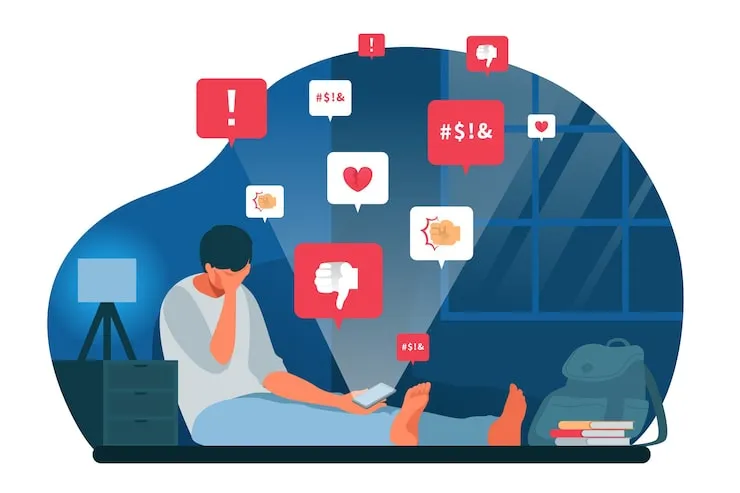
Social media can be a great way to connect with others, but it can also be a place where people are mean or harmful. Cyberbullying is when someone is bullied or harassed online. This can happen through mean comments, spreading rumors, or even threatening behavior. Young people, in particular, are vulnerable to cyberbullying, and it can lead to serious mental health issues.
Governments are concerned about cyberbullying because it can affect the well-being of citizens, especially teenagers. They are pushing social media platforms to take stronger action to protect users from online harassment, hate speech, and other harmful content. This includes using better tools to detect bullying, reporting mechanisms, and making sure that harmful content is removed quickly.
Governments want to ensure that social media is a safe space for everyone, and they are putting pressure on platforms to create policies that prevent abuse and harassment.
4. Political Influence and Election Interference
Social media platforms have also become powerful tools for influencing politics. In recent years, there have been concerns about foreign governments or bad actors using social media to interfere in elections. This could involve spreading fake news, creating fake accounts to sway public opinion, or manipulating online discussions to favor one side over another.
For example, during the 2016 U.S. presidential election, there were reports of social media campaigns that spread disinformation and tried to influence voters. These campaigns often used fake accounts or bots (automated accounts) to create the illusion of widespread support for a particular candidate or idea.
Governments are closely monitoring social media platforms to prevent election interference and ensure that elections are fair. Social media companies are now being held accountable for taking steps to stop the spread of disinformation and make sure that political campaigns follow the rules.
5. Addiction and Mental Health Effects
Another concern for governments is the impact social media can have on mental health, especially for young people. Studies have shown that spending too much time on social media can lead to negative effects like depression, anxiety, and low self-esteem. Platforms are designed to keep users engaged for as long as possible, and this can create unhealthy habits.
Governments are now looking at ways to protect users from the negative effects of social media, especially younger users. Some countries are considering laws that would limit screen time or require platforms to provide mental health resources for users.
Social media platforms have started to make changes, like introducing features that remind users to take breaks or helping them manage their time spent on the platform. Governments are watching these changes closely to ensure that platforms are doing enough to protect users’ mental well-being.
What Are Governments Doing About It?
Now that we know why governments are concerned, let’s look at some of the actions they are taking to address these issues.
1. Creating Laws and Regulations
Many governments are creating laws and regulations to protect users and ensure that social media platforms are following the rules. For example:
-
The GDPR in Europe requires companies to protect users’ personal data and be transparent about how they collect and use it.
-
The CCPA (California Consumer Privacy Act) in the U.S. gives users more control over their personal information and allows them to request that their data be deleted.
These laws help protect privacy, limit the spread of misinformation, and hold social media companies accountable for how they handle users' data.
2. Holding Social Media Companies Accountable
Governments are also holding social media companies accountable for the content shared on their platforms. If a platform allows harmful or illegal content to be posted, the government may require them to take it down or face penalties. For example, some countries have passed laws that force social media platforms to remove hate speech, misinformation, and violent content within a certain time frame.
Social media companies are also being asked to stop election interference and disinformation. In the U.S., for example, social media companies must now report any foreign influence campaigns during elections. Governments want to make sure that platforms are not used to manipulate voters or sway public opinion unfairly.
3. Encouraging Better Privacy Practices
Governments are pushing social media platforms to adopt better privacy practices, like giving users more control over their data. In some countries, platforms are required to ask for permission before collecting personal data or sharing it with third parties. These privacy laws are designed to protect users’ information from being sold or misused.
Governments are also encouraging platforms to improve their data protection practices. This includes using encryption to protect sensitive information and ensuring that data breaches are reported quickly.
4. Providing Mental Health Support
To address the impact of social media on mental health, some governments are working with social media platforms to provide resources and support for users. For example, some platforms now offer mental health resources or tools to limit screen time. Governments are also encouraging platforms to include these features and provide users with the support they need to use social media responsibly.
Conclusion
Social media platforms are a powerful part of modern life, but they also come with big responsibilities. Governments around the world are watching social media platforms closely to make sure they are being used safely and fairly. From protecting privacy to preventing misinformation and supporting mental health, governments are working to ensure that social media remains a positive space for everyone.
As users, we should also be aware of how our data is being used and how social media affects our lives. By understanding the importance of data privacy and being cautious about what we share, we can help make social media a better place for all.