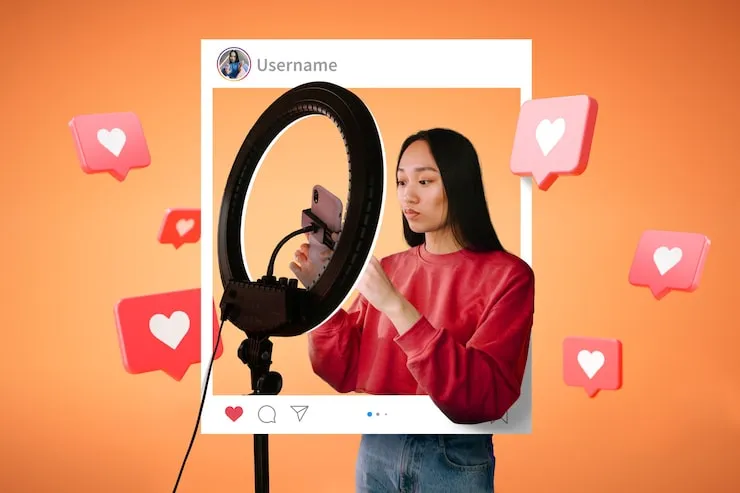
In the world of content creation, one of the most exciting ways to make money is through brand deals. A brand deal is when a company pays a creator—whether it’s a YouTuber, Instagram influencer, TikTok star, or blogger—to promote their products or services in their content. These deals are often seen as the golden ticket to a successful influencer career because they can provide creators with steady income and open up new opportunities.
However, if you’re thinking about getting into influencer marketing, there’s something important you need to know: brand deals are getting harder to land. What once seemed like an easy path to success is now a more complicated and competitive process. In this article, we’ll dive into why brand deals are becoming more difficult to secure, and what that means for creators, both new and experienced.
What Are Brand Deals?
Before we talk about the challenges of securing brand deals, let’s first define what they are. A brand deal is when a company partners with a content creator to promote their product or service. This could involve a variety of actions, including:
-
Sponsored posts: A creator posts about a product, shares their experience, or demonstrates how to use it.
-
Affiliate marketing: A creator shares a link or discount code for a product and earns a commission for each sale that comes from their link.
-
Product collaborations: Some creators work directly with brands to create exclusive products or collections, like a clothing line or beauty product.
-
Shoutouts and mentions: A creator simply mentions or promotes a brand in their content.
In the past, securing these deals was a bit easier, especially if you had a large following. But now, the process is becoming more competitive and selective. Let’s look at why this is happening.
Why Are Brand Deals Getting Harder to Land?
1. The Explosion of Content Creators
One of the main reasons brand deals are harder to land is the sheer number of content creators online. Thanks to platforms like YouTube, Instagram, TikTok, and even newer platforms, creating and sharing content has never been easier. In fact, millions of people around the world are now content creators, from teenagers making dance videos to beauty influencers posting tutorials.
As more people create content and build audiences, brands have more options than ever when it comes to choosing which creators to work with. What this means for you as a potential creator is that, if you’re trying to get a brand deal, you’re competing not just with local influencers but with creators from all over the world. This means that landing a deal is no longer as simple as getting a large following—it’s about standing out and showing why you’re the right person for the brand.
2. Brand Expectations Have Changed
In the past, brands might have been happy working with anyone who had a decent number of followers, but today, brands have higher expectations when it comes to influencers and creators. Companies don’t just want creators with a lot of followers—they want creators with high engagement rates and an authentic connection to their audience.
Let’s break that down:
-
Engagement rate refers to how active and involved a creator’s audience is. A creator with 100,000 followers might have great numbers, but if only a small percentage of those followers like or comment on their posts, brands might see that as a red flag.
-
Authenticity is all about how well the creator connects with their audience. For example, a beauty brand would rather work with an influencer who genuinely uses and loves their products, rather than someone who is just posting for the paycheck. Brands want to feel confident that their product will be promoted in a way that resonates with the audience and feels genuine.
As a result, brands are more selective and may pass on working with creators who don’t align with their values, have low engagement, or don’t have an authentic connection to their niche.
3. The Rise of Micro-Influencers
While big-name influencers with millions of followers still play a role in brand deals, there has been a major shift toward micro-influencers—creators who have smaller, but more targeted and engaged followings. Micro-influencers usually have anywhere from 1,000 to 100,000 followers, but their audience tends to be highly loyal and focused on a specific niche (like fitness, beauty, gaming, or eco-friendly products).
Brands are realizing that micro-influencers often provide better value because their followers trust their opinions more. Micro-influencers tend to have closer, more personal relationships with their audiences, which means their recommendations carry more weight. As a result, brands are increasingly choosing to work with micro-influencers, which makes it harder for creators with larger audiences to land deals if they don’t have high engagement or the right niche.
4. Algorithm Changes and Visibility Issues
Many social media platforms, including Instagram and YouTube, rely on algorithms to decide what content gets shown to people. These algorithms prioritize content based on how engaging it is and how likely it is to keep users on the platform. This means that even if you have a good number of followers, your content might not be shown to all of them.
For creators trying to land brand deals, this is a big issue. Even if you’ve built up a large following, if your posts aren’t being seen, you’re not likely to get those coveted brand deals. The brand may want to partner with you, but if your content isn’t reaching enough of your audience or generating engagement, they might pass you up in favor of another creator with better visibility.
Because of these changing algorithms, it’s no longer just about how many followers you have—it’s about how visible your content is and how well you can get your audience to engage with it.
5. Increased Costs for Brands
Running brand campaigns on social media can be expensive. In addition to paying influencers, brands often have to spend money on advertising, product development, and other costs. This means that brands are becoming more careful with their marketing budgets. They’re not just throwing money at any influencer who asks—they want to make sure they get a good return on their investment.
This has led to brands becoming more selective in their partnerships. They want to ensure they’re working with the right creator who aligns with their values, has a solid engagement rate, and can deliver the results they expect. With limited budgets, brands are looking for creators who can offer the best value—meaning only the most qualified and strategic creators are getting those deals.
What Does This Mean for Aspiring Creators?
If you’re a 17-18-year-old looking to break into the world of influencer marketing, it’s important to know that brand deals are still possible—but they may not come as easily as they did a few years ago. Here are a few things you can do to increase your chances of landing a brand deal:
1. Focus on Engagement Over Followers
Instead of focusing solely on increasing your follower count, make sure you’re building genuine relationships with your audience. Respond to comments, ask for feedback, and create content that resonates with your followers. The more engaged your audience is, the more attractive you’ll be to brands.
2. Find Your Niche
Try to focus on a specific niche or interest that you’re passionate about. Whether it’s fitness, fashion, gaming, or sustainability, find an area that you love and that has an engaged community. Brands prefer working with creators who have specialized audiences because it ensures their products are reaching the right people.
3. Be Authentic
Authenticity is key. Brands want to partner with creators who genuinely believe in their products. If you’re posting about something just for the paycheck, your audience will notice—and so will brands. Be true to yourself, and only partner with brands you truly like and believe in.
4. Be Patient and Consistent
Landing brand deals takes time. It’s important to be consistent with your content, stay patient, and keep improving your craft. Brands want to see that you’re dedicated to what you do and that you’re building a long-term presence, not just chasing the next deal.
Conclusion
Brand deals are an exciting way to make money as a content creator, but as the influencer landscape becomes more competitive, they’re becoming harder to land. With the rise of micro-influencers, changes in algorithms, and brands becoming more selective with their marketing budgets, securing a brand deal is no longer as easy as it once was.
However, with the right strategy—focused on engagement, authenticity, and finding your niche—you can still land brand deals and build a successful career as a creator. The key is to be patient, stay consistent, and keep working on building real connections with your audience. The more effort you put in, the more likely it is that brand deals will start coming your way.