In today’s world, social media has become an essential part of our daily lives. Whether it's scrolling through Instagram, watching videos on TikTok, tweeting your thoughts, or posting stories on Facebook, social media platforms give us a way to connect, express ourselves, and even build careers. But while social media can be a lot of fun and a great tool for communication, it also comes with serious risks. One of the growing concerns in the digital age is the increasing number of social media lawsuits.
These lawsuits can affect everyone—whether you're a teenager posting memes or a major company with millions of followers. Understanding why social media lawsuits are on the rise and what that means for users like you is important. Let’s dive into the issue and see what’s going on.
What is a Social Media Lawsuit?
A social media lawsuit occurs when someone takes legal action against another person or a company due to something that happened on social media. This could be anything from a harmful post, defamation (spreading false information), harassment, intellectual property theft (like using someone’s copyrighted content without permission), or even violating someone’s privacy.
Social media lawsuits can happen to individuals, businesses, celebrities, and influencers. The person or company that files the lawsuit is usually seeking some form of compensation, whether it’s money or a legal order to stop harmful actions.
For example:
-
If someone posts an offensive meme that causes harm to another person’s reputation, the victim might sue for defamation.
-
A company could sue if someone copies and posts its copyrighted content without permission.
-
If someone is bullied online or harassed on social media, they may take legal action to stop the behavior.
Why Are Social Media Lawsuits Increasing?
In recent years, social media lawsuits have been increasing. This is due to several reasons, including how much time people spend online, how powerful social media platforms are, and how much content gets shared daily. Here are a few key reasons behind this rise in lawsuits:
1. The Power of Social Media Platforms
Social media platforms like Instagram, Facebook, Twitter, TikTok, and YouTube have billions of users. This means that anything shared online has the potential to reach a huge audience, which makes it easier for problems to snowball.
When something goes viral, it can spread faster than any news article or television broadcast. This massive reach means that if someone shares harmful or defamatory content, the damage is often immediate and wide-reaching. As a result, people or companies harmed by this content may feel the need to take legal action to protect their reputation, stop the spread of false information, or even seek compensation.
2. Harassment and Cyberbullying
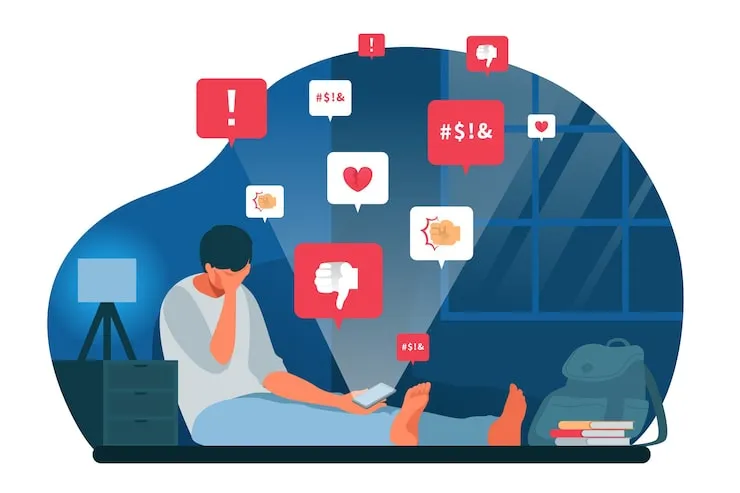
The rise of online harassment and cyberbullying is another reason why social media lawsuits are on the rise. People can now target others anonymously or with fake accounts, making it harder to trace or hold people accountable for their actions.
If someone is being bullied or harassed online, it can lead to emotional distress, depression, or even worse. Social media platforms are often blamed for not doing enough to prevent these kinds of harmful behaviors, and individuals who are victims of harassment are increasingly turning to lawsuits to get justice.
For example, if someone posts threatening comments or spreads lies about another person, that person may decide to file a lawsuit for defamation or emotional distress.
3. False Information and Misinformation
False information or misinformation on social media is another reason why lawsuits are becoming more common. Whether it’s a fake news article, misleading meme, or viral rumor, misinformation can harm reputations, spread fear, or even impact elections.
In some cases, individuals or companies who are victims of misinformation might decide to file lawsuits against those spreading the false information. For example, if someone makes up a lie about a business or public figure and spreads it on social media, that person or company might sue for defamation to correct the record and protect their reputation.
Misinformation can also lead to larger legal consequences, like spreading false medical advice or causing people to panic about an event.
4. Intellectual Property Theft
Intellectual property (IP) refers to creations of the mind, like music, artwork, videos, logos, and even brand names. On social media, it’s easy to share content quickly, but it’s also easy for others to take that content and use it without permission.
This leads to a rise in IP theft, where creators or companies can file lawsuits against others who use their copyrighted content without authorization. For example, an artist might upload their artwork to Instagram, and someone else might steal that image, post it, and claim it as their own. In such cases, the artist could sue for copyright infringement.
Since social media platforms encourage users to share content, IP theft is a major issue. Many creators and businesses are now filing lawsuits to protect their intellectual property rights and ensure that their content is used fairly.
5. Privacy Violations
Privacy violations are another growing concern in the world of social media. With the rise of social media influencers and content creators, many people post personal information online—sometimes without fully understanding the consequences.
In some cases, individuals may violate others’ privacy by sharing personal details, photos, or videos without permission. For example, if someone posts a video of another person without their consent or shares sensitive information, that person might take legal action for invasion of privacy.
Also, companies that gather personal data for targeted ads are increasingly being sued for violating user privacy. In some cases, users feel that their data is being used unfairly or without their consent, which can lead to class action lawsuits against the companies that collect that data.
What Are the Consequences of Social Media Lawsuits?
For the people or companies who are involved in social media lawsuits, the consequences can be serious. The person or company being sued might have to pay compensation or damages if they lose the case. In some cases, they might even be ordered to remove the harmful content from the platform or stop doing certain actions.
Lawsuits can also harm a person’s or company’s reputation. For businesses, a lawsuit could lead to lost customers, a decrease in brand value, or bad press. For individuals, a lawsuit could cause embarrassment, stress, and a damaged public image.
Additionally, social media platforms themselves might face legal consequences. Some platforms have been taken to court for not doing enough to protect users from harmful content or harassment. For example, platforms like Facebook and Twitter have faced lawsuits for allowing hate speech, bullying, and misinformation to spread.
How Can You Avoid Being Involved in a Social Media Lawsuit?
While most people don't intend to get involved in a lawsuit, there are ways to avoid it. Here are a few tips:
-
Think Before You Post: Always ask yourself if your post could hurt someone’s feelings, spread false information, or violate someone’s privacy. If in doubt, don’t post it.
-
Respect Copyright: If you’re going to use someone else’s content (like a meme, artwork, or video), make sure you have permission or credit the original creator. Don’t steal other people’s work.
-
Report Harmful Content: If you see harassment, bullying, or false information on social media, report it. By doing this, you help protect others and contribute to a safer online community.
-
Respect Others’ Privacy: Never share private information or images of people without their permission. Respecting others’ privacy is crucial to maintaining trust and avoiding legal issues.
-
Be Careful with Misinformation: Avoid sharing unverified news or rumors. Always fact-check before posting something that could potentially be false or misleading.
Conclusion
As social media continues to play a bigger role in our daily lives, social media lawsuits are becoming a more significant issue. Whether it’s defamation, harassment, misinformation, or privacy violations, social media platforms are often at the center of legal battles. These lawsuits can affect individuals, businesses, and even the platforms themselves.
To avoid legal trouble, it’s important to think carefully about what you share online and to respect others’ rights. Social media can be a fun and powerful tool, but like anything, it comes with responsibilities. By being aware of the risks and following the rules, you can help make social media a safer and more positive space for everyone.