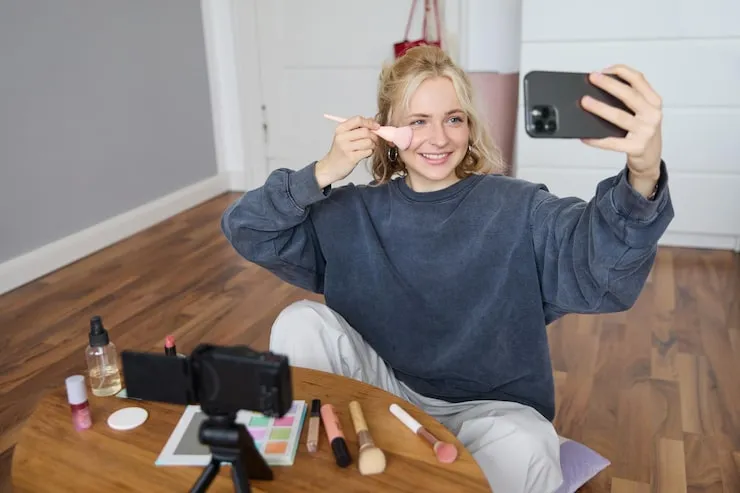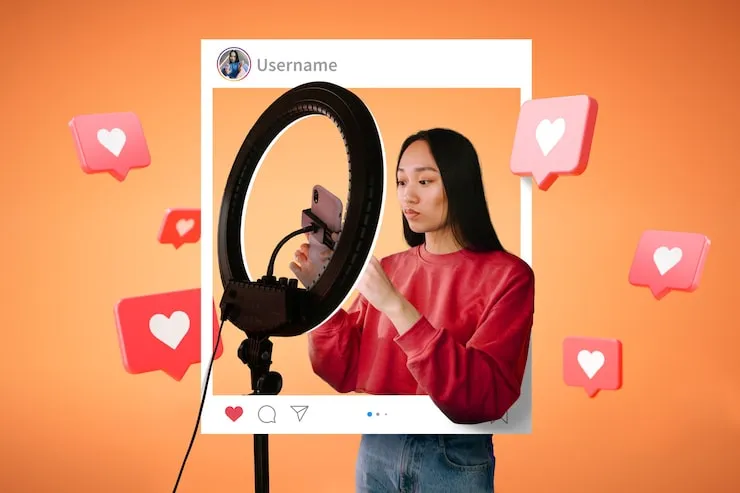
In the past decade, the world has witnessed the rise of the creator economy, a new wave of entrepreneurs who use their creativity to build businesses, make money, and connect with audiences online. If you’ve ever watched a YouTube video, scrolled through an Instagram post, or checked out a TikTok dance, then you’ve seen the creators who are a huge part of this economy. Creators are people who make and share content online, from videos and music to art, memes, blogs, and even educational content.
But while being a creator can be an exciting and rewarding career, it's not as easy as it looks. The creator economy is getting more competitive. With more and more people entering the space every day, standing out and making a living as a creator is becoming more challenging. In this article, we’ll break down why the creator economy is becoming more competitive, what’s driving this change, and what it means for young creators like you.
What is the Creator Economy?
Before diving into the competition, let’s first define what the creator economy is. The creator economy refers to the ecosystem of individuals who produce and share content online, often using platforms like YouTube, Instagram, TikTok, and Twitch to build audiences and make money. These creators might make money through ads, sponsored posts, selling products or services, donations, or even launching their own businesses.
For example:
-
YouTubers can earn money from ads placed on their videos, merchandise sales, and sponsorships.
-
TikTokers can get paid for sponsored posts or work with brands to promote products.
-
Streamers on platforms like Twitch can make money through subscriptions, donations, and brand partnerships.
-
Bloggers or Instagram influencers can monetize their content through affiliate marketing or selling their own products.
The rise of these content creators has transformed the way we think about work. Creators can make a career out of their passion for making videos, sharing their thoughts, or creating art. But, like any business, the competition is fierce.
Why is the Creator Economy Becoming More Competitive?
1. The Explosion of Content Creators
One of the biggest reasons the creator economy is becoming more competitive is simply that more people are becoming creators. Thanks to platforms like TikTok, Instagram, and YouTube, it’s easier than ever to start creating content and sharing it with the world. All you need is a phone, a camera, or a computer, and you can start posting your work.
But because it’s so easy to get started, more and more people are entering the creator space every day. According to reports, there are millions of people creating content online, and as more creators join, the chances of standing out become slimmer. Everyone has the opportunity to reach an audience, but only a few manage to break through the noise.
2. Algorithm Changes and Platform Competition
As platforms like YouTube, Instagram, and TikTok grow, they’re constantly updating their algorithms. These algorithms decide which posts are shown to which audiences. For example, if you post a video on Instagram, the algorithm decides if your followers will see it or if it will be buried under thousands of other posts.
These algorithm changes often make it harder for newer creators to get noticed. Sometimes, the algorithm prioritizes content that already has a lot of views or engagement, making it harder for smaller accounts to break through. In a sense, newer creators can get lost in the shuffle, and it’s harder to grow without the right strategy.
Moreover, with the competition from different platforms, creators now have to juggle multiple accounts and adapt their content for various platforms. A video might do well on TikTok but not perform as strongly on YouTube, and vice versa. This requires creators to constantly adapt to different trends and platform requirements, which adds to the complexity of becoming successful.
3. Brands Are More Selective
As the creator economy grows, brands are getting more selective about which influencers and creators they choose to work with. In the early days, it was easy for a creator to land a sponsorship or partnership deal with a brand. But today, companies are looking for influencers who have highly engaged, niche audiences rather than just a huge following.
For example, a brand selling skincare products might want to work with a beauty influencer who has 100,000 followers but an audience that really trusts their opinion on skincare. In the past, a brand might have been happy to work with someone who had millions of followers, even if those followers didn’t have as much interest in the brand’s products.
As a result, creators now need to focus more on building genuine relationships with their audiences and proving their influence. Simply having a large following is no longer enough. Creators must show that their audience is highly engaged and that their opinions influence purchasing decisions.
4. New Monetization Strategies
Another factor that’s increasing competition in the creator economy is the rise of new ways to make money. Platforms like Patreon, where creators can receive monthly support from their fans, or TikTok’s Creator Fund, have made it easier for creators to monetize their work. However, this also means that creators are now competing for fan support and brand partnerships from multiple sources.
The more ways creators can make money, the more competition there is for the same income streams. For instance, on platforms like Patreon, creators compete for subscriptions, while on TikTok, creators fight for a spot in the Creator Fund. The more options available, the harder it becomes to stand out and make a living from content creation.
5. The Rise of Professionalism in Content Creation
In the past, creating content online was often seen as a hobby or side hustle. But today, many creators treat it like a full-time job. They invest in professional equipment, hire teams for editing, marketing, and even business management. As a result, the quality of content is at an all-time high.
Creators who put in the time and effort to make polished, high-quality content are getting ahead. The bar has been raised, and it’s no longer enough to just throw up a quick video or post. Creators are expected to maintain high standards for the content they create, which means new creators may need to work harder to keep up.
6. Global Competition
The creator economy is global, and now creators are not just competing with others in their own country but also with influencers around the world. For example, a fashion influencer from the U.S. might be competing for attention with creators from India, Brazil, or South Korea. This means that the competition for brand deals, sponsorships, and audience attention is no longer limited by geography.
For new creators, this means their content has to be uniquely valuable to stand out in a crowded, global marketplace. It’s not just about posting content—it’s about finding a niche and speaking directly to an audience that cares about what you’re creating.
What Does This Mean for Aspiring Creators?
If you’re a 17-18-year-old thinking about entering the creator economy, you might be wondering how you can stand out in such a competitive space. While it may seem overwhelming, it’s still possible to succeed, but it requires strategy, patience, and dedication.
Here are a few things you can do:
1. Find Your Niche
Instead of trying to appeal to everyone, focus on a specific niche. What are you passionate about? What can you bring to the table that no one else is? By narrowing your focus, you’ll attract an audience that’s genuinely interested in what you’re creating.
2. Engage with Your Audience
Building an engaged community is key. Respond to comments, ask for feedback, and show your audience that you appreciate them. Engagement is just as important as having a large following.
3. Invest in Your Content
Invest in improving the quality of your content. This doesn’t mean you need to buy expensive equipment right away, but focus on improving your production value, editing, and storytelling. High-quality content can help you stand out from the competition.
4. Stay Consistent and Patient
Building a successful creator business takes time. Stay consistent with your content and be patient with your growth. Rome wasn’t built in a day, and neither is an influencer career.
Conclusion
The creator economy is becoming more competitive, but that doesn’t mean you can’t succeed. With the rise in content creators, changing algorithms, and the growing professionalism in content creation, standing out has become more difficult. However, with a clear strategy, hard work, and dedication, there’s still room for you to carve out your space in the creator economy. Whether you’re sharing your passion, building a personal brand, or simply experimenting, the opportunities are there—you just have to be ready to put in the effort to stand out.