In the world of social media, influencers are a big deal. Whether it’s a YouTuber promoting a new game, a TikTok star sharing their favorite skincare products, or an Instagrammer showing off a new outfit, influencers are helping brands reach millions of people. Many influencers make a lot of money from brand deals, sponsored posts, and collaborations. But have you ever wondered why influencer rates are all over the place? Why does one influencer with similar followers get paid a ton more than another?
The truth is that influencer rates vary a lot, and it’s not as straightforward as you might think. In this article, we’ll break down why influencer rates can be so different, what factors affect how much influencers charge, and what this means for creators and brands. If you’re considering becoming an influencer or if you're just curious, understanding this is key to navigating the world of influencer marketing.
What Are Influencer Rates?
Before we dive in, let’s first understand what influencer rates are. Influencer rates refer to how much an influencer charges brands or companies to promote a product or service on their platform. This could be in the form of:
-
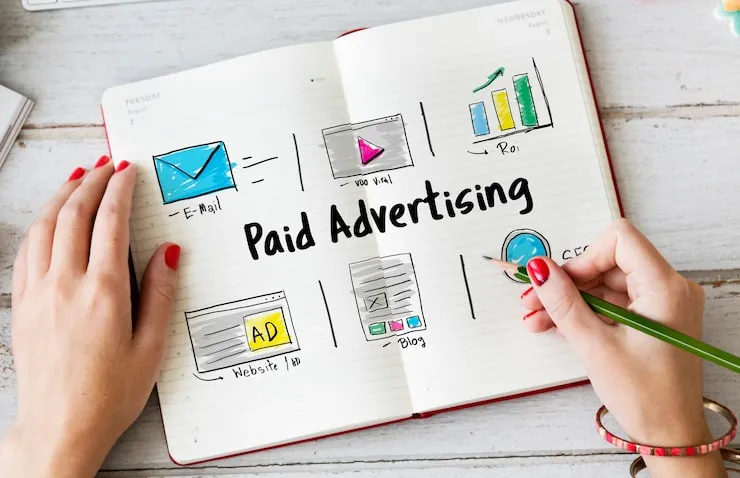
Sponsored Posts: Where the influencer posts content about a brand or product on their social media.
-
Sponsored Videos: Influencers create videos showcasing or reviewing a product.
-
Affiliate Marketing: Influencers share links to products, earning a commission for each sale made through their link.
-
Shoutouts: Influencers simply mention a brand or product in their posts.
The amount influencers charge for these types of posts can vary dramatically, even between influencers with similar follower counts. So, why is this?
1. Audience Engagement Matters More Than Follower Count
When brands are looking for influencers to work with, they don’t just care about how many followers an influencer has. Sure, having a large following is important, but engagement is the real secret sauce. Engagement refers to how actively followers interact with an influencer's content—whether they like, comment, share, or save the post.
Here’s why engagement matters:
-
If an influencer has 100,000 followers but very few comments or likes, it means that their audience might not be as engaged or interested in their content.
-
On the other hand, an influencer with 10,000 followers but high engagement rates (lots of comments, shares, and conversations) might be able to charge more, because their audience is more likely to trust their opinion and take action.
Brands want to know that their product will reach an audience that is actively paying attention, not just scrolling past. So, if your followers are highly engaged, you might be able to charge a higher rate—even if you don’t have millions of followers.
2. Niche and Target Audience Play a Big Role
Another reason why influencer rates vary so much is because of niche and target audience. The more specialized your audience is, the more valuable you become to certain brands.
For example, let’s say you’re an influencer who focuses solely on fitness, and you have 50,000 followers. If your followers are passionate about health and fitness, then brands in that space (like workout gear, supplements, or fitness apps) will see you as an expert and be willing to pay more to have you promote their product. A company that sells sports shoes might not be as interested in working with a beauty influencer who has the same number of followers but a more general audience.
So, the type of audience you attract matters a lot. If you have a niche audience that’s highly interested in specific topics, brands targeting that audience will be willing to pay more for access to them.
3. Influencer Experience and Professionalism Matter
Not all influencers are created equal, and sometimes the experience and professionalism of the influencer can impact their rates. Influencers who have been around for a while, have refined their content, and have a proven track record of successful brand partnerships can charge more than newcomers.
Think about it like this: imagine you’re hiring someone for a job. Would you pay more for a person with years of experience or for someone just starting out? The same logic applies to influencers. Those who know how to create high-quality, engaging content, negotiate with brands, and deliver results will charge more for their time and expertise.
For example, an influencer who has worked with big brands like Nike or Coca-Cola and delivered great results will have a strong reputation. As a result, brands will be willing to pay them more because they trust that they’ll provide value. On the flip side, newer influencers may still be figuring out what works and how to negotiate, which can make their rates lower.
4. Platform Makes a Difference
The platform an influencer uses can also affect their rates. Different social media platforms have different levels of engagement, audience demographics, and types of content. For example, YouTube influencers might charge higher rates for videos because video production takes more time and effort compared to a simple Instagram post. On YouTube, creators also tend to have a longer watch time, meaning their audience may spend more time engaging with the content.
Similarly, TikTok influencers might charge less for their videos, as TikTok is known for short, snackable content that’s easier and faster to produce. But the short-form nature of TikTok content can actually make it a valuable platform for brand deals, especially when the influencer’s video goes viral.
Because each platform requires different types of content and engagement, the platform you choose will impact your rate. For instance, an influencer who creates in-depth tutorials on YouTube might charge more because the content requires more time to produce and tends to generate longer-term engagement. On the other hand, an influencer who posts short, fun videos on TikTok might charge less, but they may be able to create more content in a shorter period.
5. Type of Content Influencers Produce
The type of content influencers create can also influence their rates. There’s a big difference between posting a photo on Instagram and creating a full YouTube video or a long-form Instagram Reel. Long-form content, which requires more effort, typically commands higher rates because it takes more time to plan, shoot, and edit. A YouTube video, for example, may require several hours or even days of work, while a quick Instagram story might take just a few minutes to create.
Also, quality matters. High-quality, well-edited content will be more expensive than quick, off-the-cuff posts. If you’re working with a brand that expects a lot of production value, like a fashion shoot, you can charge a higher rate compared to a brand deal where a simple product shot will suffice.
6. Brand Budget and Industry Standards
Finally, influencer rates can vary depending on brand budgets and industry standards. Some industries, like fashion or beauty, have higher influencer budgets because they’re heavily reliant on influencer marketing to reach customers. On the other hand, other industries might not have as much budget to spend on influencer marketing.
For example, a beauty brand might be willing to pay more for an influencer with a large following to review their new product because beauty products are often promoted through influencer collaborations. Meanwhile, a small local business might not have as big a budget and may only be able to afford smaller influencers or micro-influencers.
What Does This All Mean for Aspiring Influencers?
If you’re a 17-18-year-old thinking about becoming an influencer, you may be wondering how you can increase your chances of landing a brand deal. The key is to focus on building a strong and engaged community, not just on growing your follower count. Brands want to see that you have a loyal audience who trusts you.
Here are a few tips to help you grow and improve your chances of landing brand deals:
-
Engage with your audience: Respond to comments, ask questions, and create content that speaks to your followers’ interests.
-
Find your niche: Focus on a specific area that you’re passionate about and that has a dedicated audience.
-
Create high-quality content: Invest time in making your content stand out. High-quality videos or photos can help you attract more brands.
-
Be consistent: Post regularly to keep your audience engaged and show brands that you’re serious about content creation.
-
Be authentic: Work with brands you genuinely believe in. Your followers will notice if you’re being real, which will increase your credibility and the chances of landing more deals.
Conclusion
Influencer rates are all over the place because there are so many factors that can affect how much an influencer can charge. Audience engagement, niche, experience, platform, content type, and brand budget all play a role in determining the price. For aspiring influencers, it’s important to remember that success doesn’t come just from having a lot of followers—it’s about building a loyal, engaged community and creating high-quality content. Keep these factors in mind, and with dedication and hard work, you can increase your chances of landing those brand deals and turning your passion into a career.