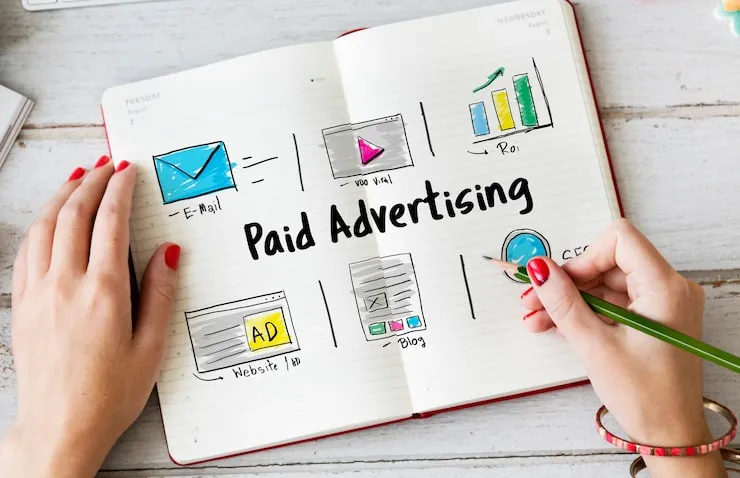
If you open any app on social media, and you'll be able to see advertisements incorporated into routine content. An advertisement for a brand new snack manufacturer could be shown amid dance videos or an image of sneakers might appear in response to a photograph shared by someone else. The ads do not appear randomly. Social media platforms pay companies to display their content at a certain number of users, and it is referred to as social advertising that is paid.
Through the years the paid social advertisements have seen a dramatic change. The first ones were basic images that had short slogans. They now look more similar to normal content, share tales, and sometimes even encourage customers to purchase items right within the application. This article discusses the top pay-per-click trends in social media that companies cannot afford to ignore employing a simple and friendly words that 12 to 13-year olds easily comprehend.
What Is Paid Social Advertising?
Paid social ads are when the business pays a social media site such as Instagram, TikTok, Snapchat, YouTube, or Facebook in order to make sure that the posts of its users reach greater numbers of people than otherwise. Instead of waiting on the algorithm to distribute a post or boost it, the company promotes the post by using advertisements.
The platform will then show that advertisement to people who may be interested, based on aspects such as age, place of residence as well as their hobbies and the type of video they typically are watching. A person who is a fan of sports may be exposed to ads for running shoes and someone who loves baking videos might be shown ads to bake pans.
This helps companies find potential customers, and it helps platforms make cash.
Ads Are Starting to Look Like Regular Posts
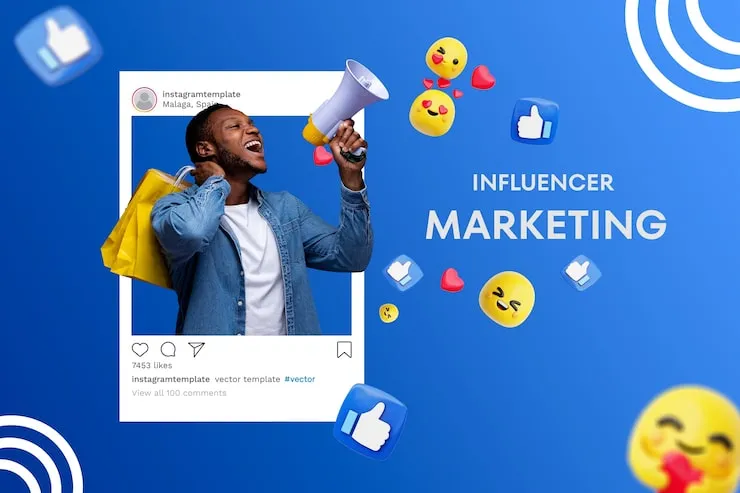
A major change is that ads paid for are trying to seamlessly blend into the normal flow of content. Instead of large banners that shout "BUY NOW," many ads look more like regular videos shot on smartphones.
The clothing company could show students getting ready to go to school. A toy manufacturer could show children opening their boxes at home. Food brands might offer their recipe in a short time. After just a couple of seconds, does viewers realize that it's in fact an advertising.
This is because viewers are quick to scroll and tend to ignore any that appears too as a commercial. If advertisements feel authentic viewers are more inclined to take a break and look.
Short Videos Are Dominating
Another major phenomenon is the growth of ads that use short videos specifically those on platforms focusing on vertical content, like TikTok as well as Instagram Reels. Companies are designing ads to are perfectly suited to these rapid-moving feeds. They usually start with an exciting moment within the first few seconds like a shocking result, funny scene or an intriguing query. It's the aim to get the attention of viewers before they scroll off. Captions, music, short cuts and visual effects keep viewers' attention on the page. Many serious businesses such as phone or banking attempt to make their advertisements seem lively and enjoyable to view.
Creators and Influencers Are Playing a Big Role
A lot of brands are now working closely with creators of social media, known as influencers. They are those who have built a following by posting videos on games, makeup or fitness, learning and even everyday routine. Instead of creating ads at a studio, businesses frequently let content creators make videos with their own unique way. They may talk about a product or service, then show the way they utilize it or even incorporate it in the tale.
Since the audience already trusts these makers, ads appear more credible than standard commercials. The trend has accelerated to the point that certain businesses spend the majority of their budgets for advertising collaborations with creators.
Shopping Inside Apps Is Becoming Normal
Social media has become more than only for chatting and looking. Numerous platforms let users purchase products directly through advertisements and without having to leave the application. The user can click on the shirt shown in video, view the price and then navigate to the payment page in a matter of minutes.
A few brands even host online shopping events, where a host shows the products on display, takes the questions of viewers and gives discounts for only a few minutes. It's like a mixture of a television shopping channel as well as a chat room.
Since the process from getting an advertisement to actually buying an item is so brief this tool is revolutionizing how businesses design their advertising campaigns.
Personalization Is Getting Smarter
Ads that are paid for become more personal due to improvements in technologies and data. Platforms analyze what people enjoy, watch, and browse for, and try to display ads that are in line with their interests. A person who enjoys cooking-related videos may see ads of pans, or even spice mixes. Anyone who is a follower of travel blogs might see ads on cameras or backpacks.
The future of ads will likely to be even more customized by presenting different versions of the same advertisement to diverse audiences. A person may see the emphasis on cost, but another might be focusing on design or longevity. The personalization of brands helps them invest their money in a more efficient way through reaching out to the people most inclined to be interested.
Privacy Changes Are Shaping Advertising
In the meantime the new privacy regulations and settings for phones are restricting how much information companies can utilize to tailor advertisements. Some devices are now asking users if they would like apps to monitor their actions through other apps or sites.
As a result, companies are now focusing on more creative storytelling instead of super-detailed targeted marketing. Also, they're taking note of data that it collects directly from its clients, like the sign-ups for emails or loyalty programmes rather than relying on the platforms they use.
The shift in the market is forcing advertisers to be more transparent engaging, fascinating, and transparent about how they interact with people.
Artificial Intelligence Is Helping Design and Test Ads
Artificial Intelligence, also known as AI, plays an increasingly important role in social ads. AI tools allow brands to compose captions, pick songs, try the different versions of videos before deciding which advertisement works best.
A system, for instance, could show a particular version of an advertisement to a limited group while another version is shown to another group Then, it will quickly distribute the one that is more effective across to more users. This is much more quickly than the human brain could handle by themselves.
AI helps to determine the types of audiences that will respond and at what times of the day the ad is best to play. This improves the efficiency of campaigns and helps save money.
Measuring Success Is Becoming More Detailed
Companies are paying more at how their ads work. They are looking at the number of viewers watch videos and click links, go to a website and even purchase some item.
These tools allow advertisers to monitor all the way from viewing an advertisement to purchasing a product. However, privacy regulations mean this type of tracking has become more cautious and restricted. When they study these data businesses can alter their advertisements quickly when they find that something's not working.
Data-driven advertising helps companies avoid spending money on unnecessary ads and increases the quality of the ads that consumers are exposed to.
Why These Trends Matter to Young People
Although no one has an enterprise account, social media still determines the content they see each day. Knowing these trends can help young users identify when an article can be considered an advertisement, and also consider the reason it's being displayed for them.
It also imparts crucial digital competencies, including being able to identify persuasive strategies, understanding the role of data in influencing recommendations and being aware of when a person receives a fee to promote an item.
Knowing how advertising functions makes us wiser and more secure on the internet.
The Big Picture
Paid social media advertising is shifting away from boring commercials and towards engaging, narrative-driven content that seems as if it's appropriate on every platform. Creator partnerships, short videos personalized shopping in apps, in-app purchases as well as privacy-aware methods and AI instruments are all forming the future of social media.
Businesses that fail to adapt could struggle to get their message across who do not are able to communicate with the words of social media will be more likely to be able to communicate and even sell.
Final Thoughts
The landscape of social media paid advertising is rapidly changing. What was successful a couple of years ago might not be working now, and new trends continue to emerge as new platforms develop. In the case of brands, being open and flexible is essential.
for 13 and 12 year olds browsing social media to keep track of the latest developments is like having an eyes that can see into the online world. When a new video about an interesting item appears in an app, it's likely to be part of a meticulously executed paid advertisement intended to entice, persuade to be a part of daily browsing.