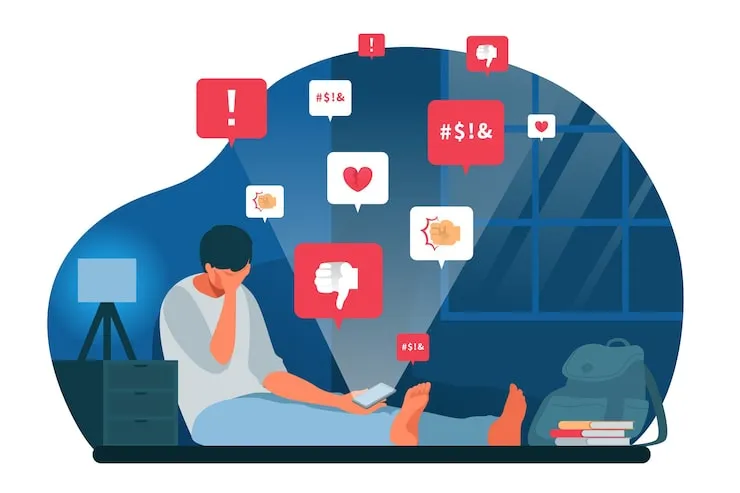
In today’s digital age, social media isn’t just a platform for sharing photos, catching up with friends, or browsing memes. It’s a powerful tool that affects everything from personal reputations to the stock market. Social media has become so influential that it’s no longer just a concern for teenagers or marketers—it's a critical issue discussed at the highest levels of business leadership, including boardrooms. Yes, social media risk is now a boardroom topic.
Let’s break it down in simple terms so everyone, especially young people, can understand why social media risk is a huge deal, not only for businesses but for you as individuals, too.
What is Social Media Risk?
Before we dive into why this is a big deal for businesses, let’s start by understanding what social media risk actually means.
Social media risk refers to the potential negative consequences a company or individual can face due to their presence or activity on social media platforms. These risks can be big—like damaging a company’s reputation, losing customer trust, or even facing legal consequences—or small, like a single employee making a mistake that spirals out of control online.
Here are some of the key social media risks:
-
Reputation Damage: If a company or person posts something offensive or controversial, it can go viral in a matter of minutes. This can quickly lead to a damaged reputation that’s hard to recover from. For example, a tweet or post that gets misinterpreted or crosses the line could ruin a brand’s image forever.
-
Security Threats: Social media platforms can also expose personal information or company secrets. Hackers can target employees who overshare online, gaining access to sensitive data or private accounts.
-
Legal Issues: Social media posts can sometimes violate laws—whether it’s sharing copyrighted content, spreading false information, or even slander. Companies have to be careful about what their employees share or promote.
-
Customer Trust Loss: Customers expect businesses to behave responsibly on social media. If a company is involved in a social media scandal, people might stop trusting them or, worse, switch to competitors.
Why is Social Media Risk a Boardroom Topic?
Now that we understand the risks, you might wonder: Why would this be something that board members (the top-level decision-makers in a company) need to talk about?
1. Reputation Management is Critical
In the past, a company’s reputation was built through word of mouth, advertisements, and physical store experiences. Today, reputation is managed largely on social media. A single wrong tweet, post, or YouTube video can spread across the world within hours.
For example, think about how a poorly timed joke or a controversial opinion from a celebrity can spark outrage on social media. Now, imagine if a business is caught in the middle of that kind of backlash. It’s not just a PR issue anymore—it can lead to lost sales, bad reviews, or even boycotts. That’s why it’s crucial for businesses to have plans in place to protect themselves from such risks.
2. Social Media Influences the Stock Market
Yes, social media can actually influence the stock market. In fact, many businesses have seen their stock prices rise or fall based on what people are saying about them online. Take a look at how Twitter and other platforms have been used to influence stock prices in recent years. A single tweet from an influential figure can cause a company’s stock to soar or plummet.
For example, when Elon Musk tweeted about Tesla, it affected the company’s stock price. When people on social media start questioning the company’s leadership or practices, it can have a direct impact on how investors feel about the business. The result? Big changes in stock prices, sometimes even overnight. That’s a major reason why executives are sitting in boardrooms, discussing social media risk.
3. Legal Implications Are Real
As much as social media can help businesses grow and reach new audiences, it also brings along legal risks. This includes privacy violations, data breaches, defamation, and copyright issues.
For example, companies have to be extremely careful with how they use customer data collected via social media platforms. Data privacy laws, such as the General Data Protection Regulation (GDPR) in Europe, hold businesses accountable for how they handle personal information online. Failing to follow these laws could result in fines, lawsuits, and a damaged reputation.
Moreover, employees must be trained to avoid sharing confidential company information on their personal social media accounts. A leak from an employee can lead to severe consequences, including lawsuits, fines, or even the end of a business relationship with clients or partners.
4. The Power of Customer Feedback
Another reason social media risk is so important for businesses is that social media is the place where customers often share their opinions—both good and bad. A bad review or negative comment from a customer can quickly spiral into a viral issue.
Imagine this: a customer posts a complaint on Twitter or Facebook about a product they bought, and that complaint quickly gets retweeted or shared by thousands of people. This can quickly escalate into a major issue for the company. If the business doesn’t address the issue quickly or appropriately, it can result in a massive public relations disaster.
That’s why businesses need to have a plan for dealing with social media feedback and managing complaints. It’s not just about responding to customers—it’s about being prepared to handle a situation before it gets out of control.
How Are Companies Addressing Social Media Risk?
Now that we understand why social media risk matters to businesses, let’s look at how companies are addressing it.
1. Social Media Policies for Employees
One of the first steps businesses are taking is to create clear social media policies for employees. These policies outline what is acceptable and unacceptable behavior on social media, both for personal and professional use. Employees are usually required to refrain from sharing sensitive company information, engaging in arguments online, or posting controversial content.
2. Crisis Management Plans
Companies are also putting together social media crisis management plans. These plans include steps to take if something goes wrong online. The goal is to respond quickly, address the situation, and prevent further damage. The faster a company can respond to a social media crisis, the less likely it is to escalate.
3. Social Media Monitoring Tools
Businesses are using social media monitoring tools to keep track of what’s being said about them online. These tools allow companies to track mentions of their brand, products, and services in real time. If something goes wrong or a negative comment is posted, businesses can quickly jump in and address the issue.
4. Transparency and Engagement
One of the best ways businesses are protecting themselves on social media is by being transparent and engaging with customers. Rather than ignoring negative comments or hiding from criticism, companies are embracing transparency and having honest conversations with their audience. This can help build trust and avoid escalating a situation into a full-blown crisis.
Why Does This Matter for You?
So, why should you care about social media risk if you’re not a business leader or board member? Here’s why: you’re a part of the digital world, too.
You might not be making decisions in a boardroom, but your own social media activity can have consequences for you personally or professionally. Whether you’re sharing photos, posting opinions, or commenting on trends, everything you say online can potentially be seen by millions of people.
The lesson here is simple: always think before you post. One wrong move could have long-lasting effects on your reputation, career, or future opportunities. Just like businesses need to be mindful of social media risk, you should be too.
Conclusion
Social media risk has become a major topic in boardrooms around the world. With its power to shape reputations, influence markets, and even bring legal consequences, businesses can’t afford to ignore the risks associated with social media. As individuals, we also need to be mindful of the impact our online presence can have.
In the end, both businesses and individuals must take responsibility for their social media activity. By being informed, cautious, and prepared, we can all navigate the digital world safely and successfully.