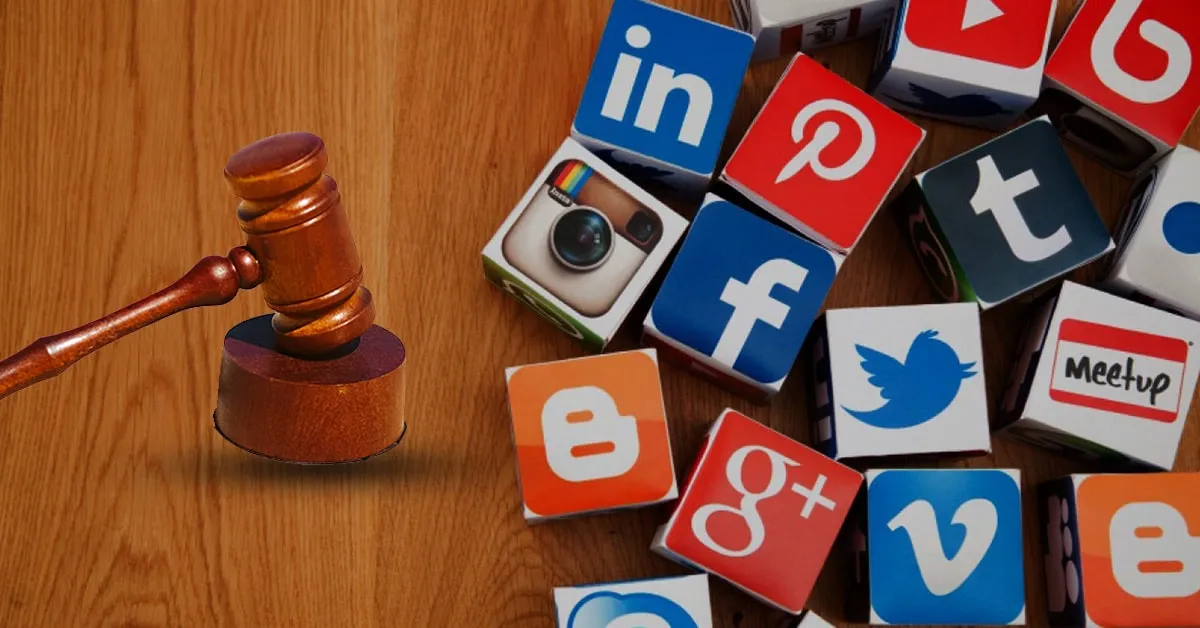
In today’s world, social media is a huge part of our lives. Whether it’s posting a funny video, sharing a photo, or chatting with friends, social media platforms like Instagram, TikTok, Facebook, and Twitter allow us to connect and express ourselves. But social media isn’t just about having fun and staying in touch—it’s also become a place where businesses advertise products, creators share their content, and even governments communicate with citizens.
As social media has grown, it has become a serious business tool, which means there are now rules about how people and companies should behave on these platforms. These rules are known as compliance, and they are about making sure everyone follows laws and regulations to keep things safe, fair, and legal.
In recent years, social media compliance has become a legal issue, meaning that if businesses or influencers break certain rules on social media, they could face legal consequences. This is a big deal because it affects how companies advertise, how influencers promote products, and how we, as users, interact online.
In this article, we’ll explain what social media compliance is, why it’s becoming a legal issue, and how businesses and influencers must be careful about what they post to avoid breaking the law.
What is Social Media Compliance?
To understand social media compliance, let’s break it down:
-
Social Media: This refers to platforms like Facebook, Instagram, TikTok, YouTube, Twitter, and others where people and businesses can post content, share information, and interact with others.
-
Compliance: This simply means following the rules or laws. When we talk about compliance in social media, we mean following the rules set by both the social media platforms themselves and the laws of the country where you live or do business.
Social media compliance involves making sure that any posts, ads, or content shared on social media meet certain guidelines. These guidelines might be about what’s allowed to be said, how to protect people’s privacy, how to be honest in ads, and how to avoid spreading harmful or misleading information.
For example, if a business posts an ad for a product, it must be clear that it’s an ad. If it’s not clear, this could mislead people, and the business could get into trouble.
Why Is Social Media Compliance Now A Legal Issue?
In the past, social media was mostly seen as a place for fun and casual conversations. People would post pictures, chat with friends, or share what they were doing. Over time, businesses, influencers, and even governments realized that social media was a powerful tool to reach large audiences. As social media grew in importance, the need for rules and regulations grew too.
Let’s look at some reasons why social media compliance has become a legal issue.
1. More Advertising and Business Activity on Social Media
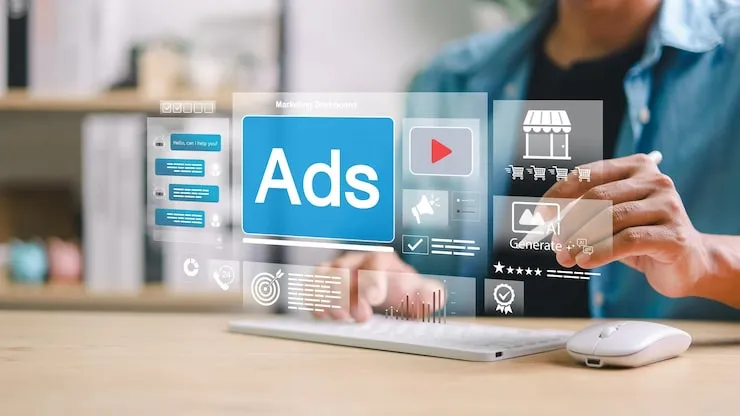
In the early days of social media, people mostly used it to chat and share personal experiences. But now, social media has become a major place for businesses to advertise. Companies use social media to market products, promote services, and interact with customers.
However, when businesses use social media for advertising, they must follow specific advertising rules. For example, in many countries, it’s illegal for a business to make false claims about a product. So if a company promotes a product on Instagram and says it can do something it can’t, that could be illegal and lead to legal action.
In addition, there are rules about transparency. If someone is paid to promote a product (like an influencer), they must tell their audience that the post is sponsored. If they don’t, the business could be breaking the law, and the influencer could get in trouble too.
2. Influencers and Sponsored Content
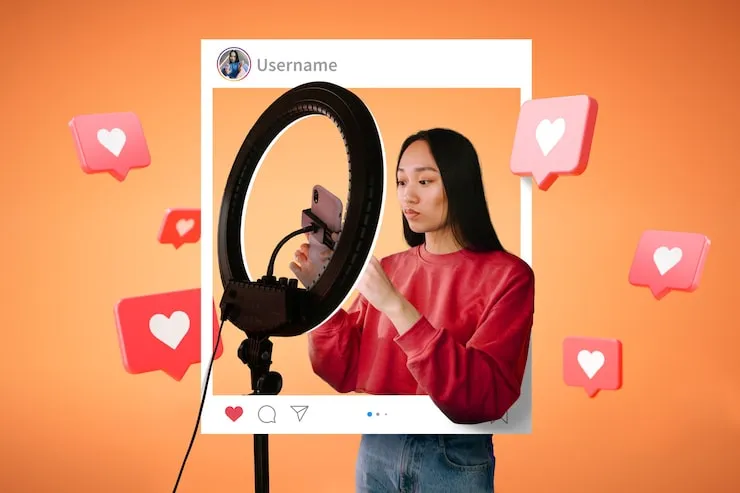
Influencers have become a big part of social media. These are people who have large followings and promote products or services to their audience. When influencers are paid to advertise a product, it’s important that they follow the rules about disclosure. This means they must clearly say that they are being paid or sponsored by the brand.
For example, if a beauty influencer is paid to promote a makeup product on Instagram, they need to use hashtags like #ad or #sponsored so that people know they are being paid to promote it. If they don’t, the company and the influencer could face legal problems.
These rules exist to make sure that advertising is fair and transparent. Without these rules, people might be tricked into thinking something is recommended by an influencer when it’s really just an advertisement.
3. Privacy and Data Protection
One of the most important reasons social media compliance is a legal issue is because of privacy and data protection. Social media platforms collect a lot of personal information about users—like their age, interests, location, and browsing habits. This information can be used to target ads and personalize content, but it also raises concerns about how this data is handled.
There are laws in many countries that protect people’s personal data. For example:
-
The General Data Protection Regulation (GDPR) in Europe gives people more control over their personal data and requires companies to get permission before using it.
-
In the United States, laws like California’s Consumer Privacy Act (CCPA) provide similar protections for users in California.
If a business uses social media to collect personal data and doesn’t follow these laws, it could face legal consequences. For example, if a company shares your personal information without your permission, that’s illegal, and the company could be fined.
Social media platforms also have their own privacy rules, which businesses and influencers must follow. Failing to comply with these rules can lead to penalties and even having accounts suspended.
4. Misinformation and Harmful Content
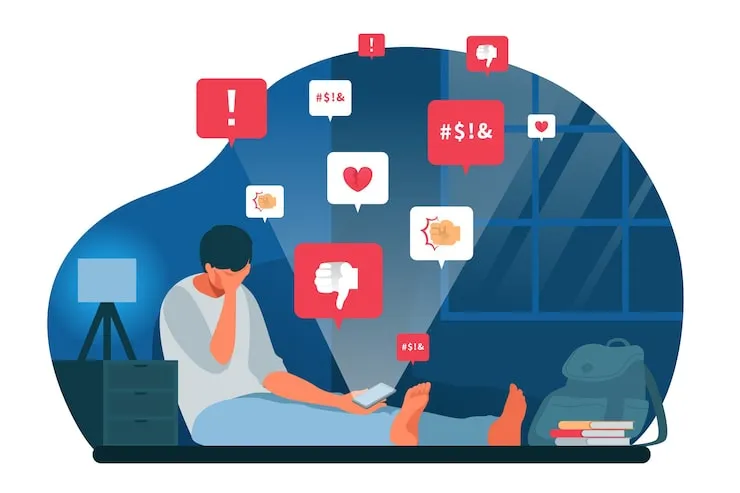
Another reason why social media compliance is becoming a legal issue is because of the spread of misinformation and harmful content. Social media platforms are powerful tools, but they can also be used to spread false information, harmful messages, or even illegal content. For example, during the COVID-19 pandemic, there were many false claims about the virus and vaccines spread on social media. These false claims could lead to harm, like people refusing to take vaccines or not following public health advice.
Governments and social media platforms are now taking action to stop the spread of harmful content. Many platforms now have fact-checking systems in place to identify and stop the spread of false information. If a post violates these rules, the platform might remove it, and the person who posted it could face penalties.
In some cases, the people or businesses behind the harmful content can be legally responsible for what they post. For example, spreading hate speech or encouraging violence is illegal, and people who do this on social media could face legal consequences.
The Role of Social Media Platforms in Compliance
Social media platforms like Facebook, Instagram, TikTok, and YouTube play a big role in making sure that users follow the rules. These platforms have their own community guidelines, which are a set of rules about what users can and can’t post. These guidelines help ensure that content is safe, respectful, and legal.
For example, Facebook and Instagram have rules about not posting offensive or harmful content, including hate speech, nudity, and violent images. If users break these rules, their content may be removed or their accounts may be suspended.
Platforms also help businesses and influencers stay compliant by offering tools for disclosure and advertisement tracking. For instance, when posting an ad or sponsored content, social media platforms often require businesses and influencers to add a label, such as #ad or #sponsored, so users know that the post is an advertisement.
Social media companies have also started working with governments to improve compliance. For example, Facebook, Twitter, and YouTube have agreed to follow certain rules about content moderation and transparency to avoid spreading harmful or illegal content.
What Happens If You Don’t Follow the Rules?
Not following the rules on social media can have serious consequences. Let’s look at some of the things that can happen if a business, influencer, or user doesn’t follow social media compliance rules:
1. Fines and Penalties
Governments can fine businesses that don’t follow privacy or data protection laws. For example, if a business collects personal information from users without their permission or doesn’t protect that data properly, it could face big fines. In 2019, the social media platform Facebook was fined $5 billion by the U.S. Federal Trade Commission for privacy violations.
Influencers who don’t disclose sponsored content might also face fines or legal trouble. If an influencer posts a product recommendation without saying it’s an ad, they could get into trouble with advertising regulators.
2. Suspension or Banning of Accounts
Social media platforms can suspend or ban accounts that break their community guidelines. If a user or business repeatedly violates the platform’s rules, they may lose their account or face restrictions on what they can post. For example, if someone repeatedly spreads false information or engages in hate speech, their account could be permanently banned from the platform.
3. Damage to Reputation
When businesses, influencers, or creators don’t follow social media rules, it can hurt their reputation. If a business is caught misleading customers with false ads, for example, people may lose trust in the company. Similarly, if an influencer is caught promoting a product without disclosing that they’re being paid, their followers might feel betrayed.
A damaged reputation can hurt future business deals, partnerships, and even income. Trust is a huge part of social media, and if followers or customers feel misled, they may turn to other creators or brands they trust more.
How to Stay Compliant on Social Media
To avoid legal trouble, it’s important for businesses and influencers to follow the rules and stay compliant on social media. Here are some tips:
-
Stay Informed: Keep up-to-date with platform updates, privacy laws, and advertising guidelines. Social media platforms and governments often release new rules or regulations, so it’s important to stay informed.
-
Disclose Paid Content: Always disclose if you are being paid to promote a product. Use hashtags like #ad or #sponsored when posting sponsored content to make sure your audience knows it’s an ad.
-
Respect Privacy: Follow privacy laws like the GDPR or CCPA, and make sure you are collecting and using customer data responsibly.
-
Avoid Harmful Content: Stay away from posting offensive, false, or harmful content. If you’re unsure about something you want to post, check if it violates community guidelines or laws.
-
Be Transparent: If you’re working with other brands, influencers, or creators, always be honest with your audience. Transparency builds trust and helps avoid legal issues.
Conclusion
Social media compliance is no longer just a nice-to-have—it’s a legal issue. With the rise of influencers, online advertising, and data collection, businesses and creators must follow the rules to avoid fines, penalties, or even losing their accounts. Social media platforms have a responsibility to keep their users safe, and they work with governments to enforce rules about privacy, ads, and harmful content.
For businesses and influencers, it’s important to stay informed about platform rules, follow privacy laws, and be honest with your audience. By doing so, you can build trust, protect your reputation, and avoid legal trouble. Social media is a powerful tool, but with great power comes great responsibility!