Social media platforms like Instagram, TikTok, YouTube, and Twitch have become an essential part of how we spend our time. Whether it's watching videos, looking at pictures, or following our favorite creators, these platforms have a huge impact on our daily lives. For creators—people who make videos, posts, music, or other content—social media is not just a hobby anymore. It's also a way to earn money.
However, something big is happening: platforms are changing how creators make money. What used to work for creators, like simple ads or sponsorships, might not work as well anymore. Now, platforms are introducing new ways for creators to earn income, and some of these changes can be confusing or challenging for creators to adapt to.
In this article, we’ll explore how platforms are changing how creators earn money, why these changes are happening, and what creators can do to keep earning. We’ll also look at the new opportunities that these changes bring.
Who Are Creators?
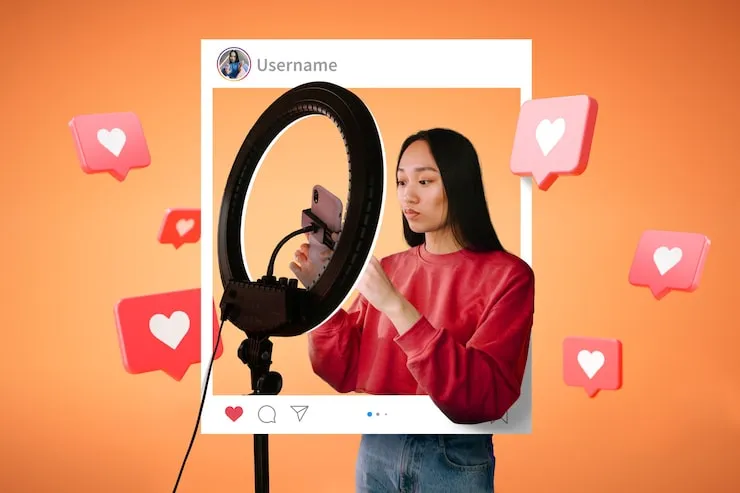
Before we dive into how platforms are changing how creators earn, let’s first talk about who these creators are. Creators are people who make content on platforms like YouTube, Instagram, TikTok, and others. Their content could be anything from funny videos, educational posts, music, artwork, cooking tutorials, or gaming streams.
Many creators start out as regular people sharing their passion or skills. Over time, some of them build large audiences who enjoy their content. With this growing audience, creators often get the opportunity to earn money through things like ads, sponsored posts, or even selling products. For many creators, making content is no longer just a fun hobby—it’s a career.
How Creators Earn Money Today
In the past, creators earned money in a few common ways. The most popular ways were through ads and sponsorships. Here's how they worked:
-
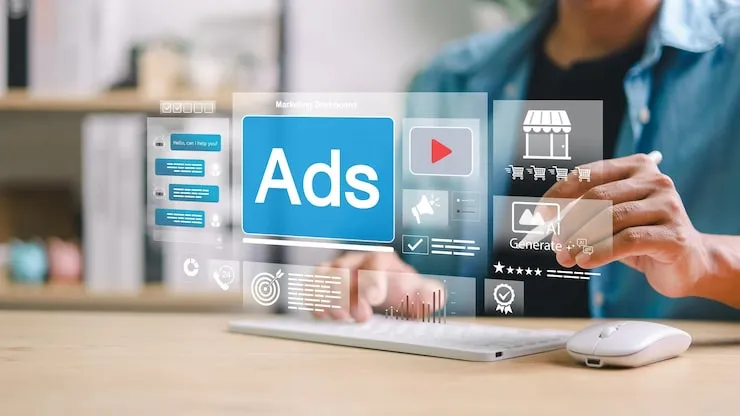
Ads: Many platforms like YouTube, Instagram, and TikTok let creators earn money from ads shown on their videos or posts. When creators hit a certain number of views or followers, they could qualify for the platform's ad program. The more views a creator got, the more money they could make from the ads.
-
Sponsorships: Creators could also work with companies that wanted to promote their products. These companies would pay creators to feature their products in videos, posts, or stories. In return, the companies got exposure to the creator’s audience, and the creator earned money for promoting the product.
-
Merchandise: Some creators also sold their own products, like clothing, posters, or accessories. By creating a brand and selling their merchandise directly to fans, creators could earn extra money.
These were the main ways creators earned income on social media, but things are changing. Let’s explore how these platforms are changing the way creators make money.
Why Are Platforms Changing How Creators Earn?
There are a few reasons why social media platforms are changing the way creators earn money. Let’s take a look at these reasons:
1. The Rise of Short-Form Content
One of the biggest shifts has been the rise of short-form content—quick, bite-sized videos or posts that can be watched or read in just a few seconds. TikTok is the most popular platform for this type of content, but other platforms like Instagram Reels and YouTube Shorts are following suit.
The challenge with short-form content is that creators may not make as much money from ads as they would with longer videos. For example, on YouTube, longer videos (over 10 minutes) can run multiple ads, which gives creators more opportunities to earn money. But short videos are too short to show multiple ads, so creators may not earn as much money.
To adapt to this shift, platforms are finding new ways for creators to earn money with short-form content. TikTok, for example, has started giving creators opportunities to earn money through TikTok Creator Fund (a fund that pays creators for their popular videos) and live gifts (where viewers can send money to creators during live streams).
2. Changes in How Ads Are Shown
As more people have started using ad-blockers (software that stops ads from showing), platforms are finding it harder to rely on ads as their main source of income. This is especially true for creators who rely on ad revenue to make money. Platforms have realized they need to find new ways to support creators without depending too much on traditional ads.
As a result, some platforms have started introducing other ways to help creators earn money, like subscriptions and donations. For example, YouTube now allows creators to set up channels where their fans can pay a subscription fee for exclusive content. Similarly, platforms like Twitch let viewers donate money directly to their favorite streamers during live broadcasts.
3. Increased Competition Among Creators
More creators are joining social media platforms every day. This means the competition for attention is higher than ever. As more people make content, the audience becomes spread out, and creators have to work harder to stand out. Because of this, platforms have started offering new features to help creators earn money in different ways.
For example, Instagram has introduced badges that viewers can buy to support their favorite creators during live broadcasts. Platforms are also offering creators the chance to make money from affiliate marketing—where creators promote a product and earn a commission when someone buys it through their link. These features help creators earn money even if they don’t have millions of views or followers.
4. Changing User Behavior
As social media has evolved, so has how people use it. Younger audiences, especially, are turning to platforms like TikTok for entertainment, while older generations may still prefer Facebook or YouTube. As user preferences change, platforms need to change how creators earn money to match these shifts in behavior.
For example, more people are now engaging with creators in real-time through live streams, so platforms like Instagram, YouTube, and TikTok are focusing more on live streaming features. During live streams, creators can earn money through donations from their viewers or by selling products directly through the stream.
How Are Platforms Changing How Creators Earn?
Now that we know why platforms are changing the way creators earn, let’s look at how they are actually making these changes.
1. Subscriptions and Memberships
Some platforms are introducing ways for creators to earn a steady income through subscriptions and memberships. This means that instead of relying only on ads or sponsored posts, creators can offer exclusive content to fans who are willing to pay a monthly fee.
For example, YouTube has a program called Channel Memberships, where creators can offer special perks like exclusive videos or badges to their paying subscribers. Instagram also allows creators to offer exclusive content through their Close Friends feature, which helps them earn money directly from their most loyal fans.
This model helps creators build a more stable income, as they don’t have to rely solely on ads or one-time sponsorships. Fans who love a creator’s content are often willing to pay for more, and creators benefit from regular, predictable income.
2. Donations and Crowdfunding
Another way platforms are changing how creators earn is through donations and crowdfunding. Platforms like YouTube, TikTok, and Twitch allow viewers to send money directly to creators during live streams or by supporting their crowdfunding campaigns.
On Twitch, viewers can donate money through bits (a form of virtual currency) or by subscribing to a creator’s channel. TikTok also allows users to send “gifts” to creators during live streams, which the creator can then exchange for money. These donations allow creators to earn money directly from their fans, which gives them more control over their income.
3. Affiliate Marketing and Sponsored Content
Affiliate marketing and sponsored content have become huge ways for creators to earn money. In affiliate marketing, creators promote a product and earn a commission when someone buys it using their special link. This can be a great way for creators to earn money without needing huge audiences.
Platforms like Instagram and YouTube have made it easier for creators to promote products and track their earnings from affiliate links. Instagram has a Shop feature that lets creators share products in their posts and stories, and they can make money when their followers purchase those products.
Sponsored content—where businesses pay creators to promote their products—has also become a big part of how creators earn money. Platforms like TikTok and YouTube are helping creators connect with brands for sponsored posts, which can be a major source of income for popular creators.
4. Selling Products and Merchandise
Many creators have started selling their own products or merchandise, such as clothing, books, or art. Social media platforms are helping creators set up online stores and sell their products directly to their audience.
For example, Instagram has a feature called Instagram Shop that lets creators sell products right from their profile. TikTok has also introduced a similar feature, allowing creators to sell merchandise directly through their videos. This helps creators earn money by offering products that their audience loves.
What Creators Can Do to Adapt
With all these changes happening on social media platforms, creators need to stay flexible and adapt to new ways of earning money. Here are a few things creators can do to keep up:
-
Diversify Income Streams: Instead of relying on one way to earn money, creators should explore different options, such as sponsorships, merchandise sales, and donations.
-
Focus on Engagement: Building strong relationships with fans is key. Creators who engage with their audience regularly through comments, live streams, and behind-the-scenes content will be more likely to build loyal communities that support their work.
-
Experiment with New Features: Social media platforms are constantly adding new ways to make money, like subscriptions or affiliate marketing. Creators should stay on top of these updates and try out new features to see what works best for their audience.
-
Be Creative: Social media is all about creativity. Creators who keep their content fresh, fun, and unique are more likely to attract new followers and keep their existing audience engaged.
Conclusion
Platforms are changing the way creators earn money, and while this can be challenging, it also brings new opportunities. Creators can now earn income in different ways, such as through subscriptions, donations, affiliate marketing, and selling products. As social media continues to evolve, creators must stay flexible and adapt to these changes to succeed.
By diversifying income streams, engaging with their audience, and experimenting with new features, creators can continue to thrive in the ever-changing digital world. The future of earning on social media is full of possibilities, and creators who embrace these changes will be well-positioned to succeed.