Social media is everywhere in our lives. We use platforms like Instagram, TikTok, Facebook, Twitter, and YouTube to keep in touch with friends, share our lives, watch videos, and follow our favorite creators and brands. For businesses and influencers, social media isn’t just about having fun—it’s also about promoting products, building brands, and reaching new customers.
A few years ago, social media platforms allowed businesses to reach their followers for free—this was called organic reach. Businesses didn’t need to pay for ads or promotions to get their content seen by people who followed them. They could simply post something, and if it was good enough, their followers would see it and maybe even share it with their friends. However, today, organic reach isn’t as strong as it used to be, and that’s affecting how businesses use social media to grow.
In this article, we’ll explain what organic reach is, why it has changed, and what businesses can do about it. Let’s dive in!
What Is Organic Reach?
Before we talk about why organic reach isn’t what it used to be, let’s first understand what organic reach is.
Organic reach refers to the number of people who see a post, video, or piece of content without the business paying for it. For example, let’s say a company posts a photo of a new product on Instagram. If you follow that company, you might see the post in your feed just because you’re following them. This is organic reach—no money was spent to make sure you saw the post.
When a post gets a lot of likes, comments, shares, or other interactions, it can also spread to more people beyond the followers of that account. This happens naturally, without paying for ads. In the past, organic reach was one of the best ways for businesses to grow their audience and increase visibility.
Why Is Organic Reach Not What It Used to Be?
At first, social media platforms like Facebook, Instagram, and Twitter were all about showing users the latest posts from their friends, family, and the businesses they followed. It was easy for posts to get noticed, and businesses could reach a large audience just by posting great content.
But over the years, social media platforms have changed. Now, the way posts are shown to users has become more controlled by algorithms, and businesses are finding it harder to get their content in front of people without paying for it. Let’s explore why organic reach isn’t as powerful as it once was.
1. Changes in Social Media Algorithms
One of the main reasons organic reach has dropped is because of changes in the algorithms that social media platforms use. An algorithm is a set of rules or instructions that helps social media platforms decide what posts to show to users.
In the past, when you followed a page or account on Facebook or Instagram, you would mostly see their posts in your feed. But over time, platforms like Facebook and Instagram started adjusting their algorithms. Now, these platforms prioritize content that is most likely to get engagement, such as likes, comments, and shares. This means that businesses’ organic posts might not show up in your feed as much unless they are getting a lot of interaction.
For example, if you follow a business, but their posts don’t get many likes or comments, the algorithm might not show those posts to you. Instead, it will show posts that are getting more interaction. This makes it harder for businesses to get their content seen by their followers unless they pay for ads or invest in content that gets lots of engagement.
2. Increased Competition for Attention
Another reason organic reach isn’t what it used to be is because of the increased amount of content on social media. Today, there are millions of posts being shared every day. This means that businesses are competing with more content than ever before to get people’s attention.
When social media platforms first started, there were fewer businesses and creators posting content. But now, nearly every company and influencer is on social media trying to reach an audience. With so much content being shared, it’s harder for any single post to stand out.
To cope with this, social media platforms have started showing fewer organic posts in users’ feeds. Instead, they’ve turned to paid advertisements to fill the gaps. Businesses that want to reach a larger audience now have to pay for ads, making organic reach less effective.
3. Platforms Want to Make Money
Social media platforms are businesses, and just like any other business, they want to make money. While they started off by showing users posts for free, they realized that ads were a great way to make money. As a result, platforms like Facebook and Instagram have made changes to their algorithms that prioritize ads over organic content.
Now, if a business wants its post to be seen by more people, it has to pay for it. Even if a business has thousands or millions of followers, their posts might only be shown to a small percentage of those followers unless they spend money on ads.
This shift has made it harder for businesses to rely on organic reach alone. It also means that smaller businesses, who might not have large advertising budgets, struggle to get their content noticed unless they pay for ads.
4. Focus on Paid Ads Over Organic Posts
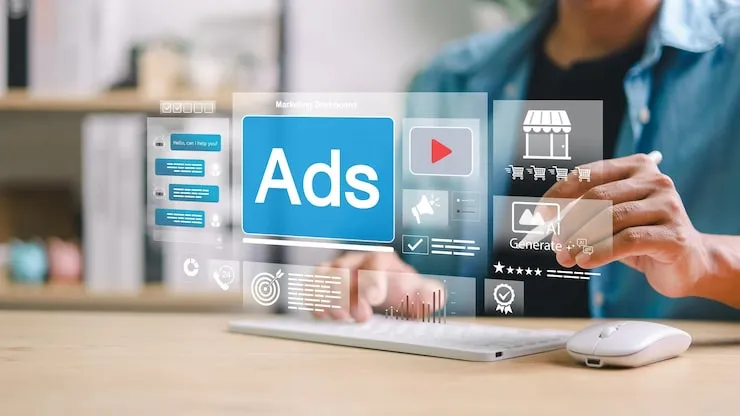
As social media platforms have become more focused on making money, they’ve introduced more paid ad options. Now, businesses have the option to boost their posts, run ads in users’ feeds, and target specific audiences. This shift towards paid ads has further reduced the effectiveness of organic reach.
When businesses use ads, they can get their posts in front of people who might not follow them, but who are likely to be interested in their products. For example, Facebook and Instagram allow businesses to create ads that target people based on things like their location, age, interests, and online behavior. While this helps businesses reach more people, it also means that organic posts, which don’t require payment, are not given as much priority.
5. User Behavior Has Changed
Over the years, how people use social media has also changed. People now scroll through their feeds faster than before. With so much content available, it’s harder to grab people’s attention. Instead of engaging with every post, many people just scroll through without liking, commenting, or sharing.
This behavior has made it harder for organic content to get noticed. Even if a post is really good, people might not interact with it as much because they are scrolling quickly or focusing on other content. This lack of engagement means that the algorithm is less likely to show that post to more people.
6. Rise of Video Content
Another reason organic reach has dropped is the rise of video content on social media. Platforms like TikTok, Instagram, and Facebook have started prioritizing video posts over static photos or text-based content. Videos are engaging and tend to get more interaction, which makes them more likely to be shown in users’ feeds.
For businesses that focus on static content, like photos or written posts, this change has made it harder to gain organic reach. If businesses don’t invest in video content, their posts might not get as much engagement, and the algorithm might not show them to as many people.
What Can Businesses Do About It?
Even though organic reach isn’t what it used to be, there are still ways for businesses to adapt and make the most of social media. Here are some strategies businesses can use to improve their reach:
1. Create Engaging Content
To beat the algorithm, businesses need to create content that people want to engage with. This could mean posting fun videos, asking questions in captions, running polls or giveaways, or sharing valuable tips. The more engagement a post gets, the more likely it is to be shown to other people.
Businesses should focus on content that resonates with their audience and encourages them to like, comment, or share. Engaging content is more likely to get seen by more people, even without paying for ads.
2. Use Paid Ads Wisely
Since organic reach is limited, businesses can use paid ads to boost their visibility. Running targeted ads can help businesses reach new audiences who might be interested in their products. For example, Facebook and Instagram ads allow businesses to target people based on their interests, location, and behavior.
Paid ads are especially helpful for businesses looking to increase their reach quickly, but businesses should use them strategically to get the best return on their investment.
3. Focus on Video Content
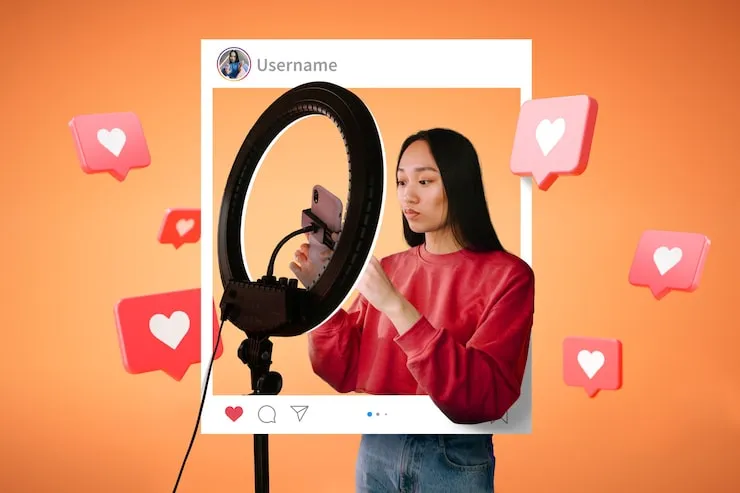
As video content continues to rise in popularity, businesses should focus on creating videos that engage their audience. Whether it’s through Instagram Reels, TikTok, or YouTube videos, video content is more likely to be prioritized by the algorithm and is often more engaging for users.
Businesses can create short, fun videos showcasing their products, behind-the-scenes content, or tutorials. This will help them reach a wider audience and increase engagement, which can boost their organic reach.
4. Engage with Your Audience
One way to increase organic reach is by engaging with your followers. Respond to comments, ask for feedback, and interact with people who engage with your posts. The more you engage with your audience, the more likely they are to interact with your content, which can increase its reach.
Businesses should also encourage their followers to share their posts, tag friends, or participate in challenges or giveaways. This helps spread the content and increases its chances of being seen by more people.
5. Diversify Your Platforms
Since organic reach isn’t as strong on some platforms, businesses should consider diversifying their presence on multiple social media platforms. Instead of relying only on one platform, businesses can create content for different platforms like TikTok, YouTube, Twitter, and LinkedIn to reach different audiences.
Each platform has its own audience and unique features, so businesses should experiment with different types of content to see what works best on each platform.
Conclusion
Organic reach on social media isn’t what it used to be, and businesses need to adapt to the changing landscape. With algorithm changes, increased competition, and a rise in paid ads, it’s harder for businesses to get their content seen by a large audience without paying for it.
However, by creating engaging content, using paid ads wisely, focusing on video, engaging with followers, and diversifying across multiple platforms, businesses can still succeed on social media. While organic reach may not be as easy to achieve as before, with the right strategies, businesses can make the most of their social media presence and reach more people.