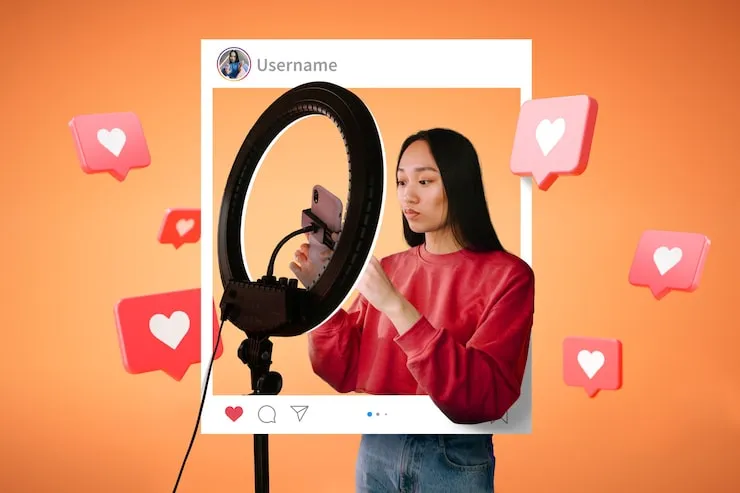
In today’s digital world, social media and online platforms have become a big part of our lives. Whether it’s for fun, work, or learning, we spend a lot of time on platforms like Instagram, TikTok, YouTube, and even Facebook. These platforms help us connect with friends, discover new trends, and find out about products or services we might like.
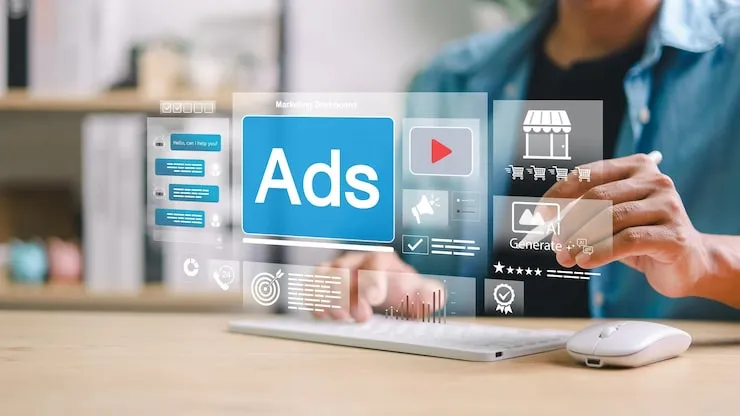
For businesses, these platforms are not just for sharing cool content; they’re important tools to reach new customers and grow their brand. But here's the thing: many businesses rely on just one platform for most of their marketing and advertising. They might spend all their time and money on Instagram or TikTok to promote their products, or they might rely on YouTube for their videos. While these platforms can be great, depending on just one platform can be risky. Let’s find out why!
What Does It Mean to Rely on One Platform?
When we talk about "relying on one platform," we mean that a business or person is putting all their effort into using just one social media platform or website. This could mean:
-
Posting all your business content on Instagram and hoping to grow your audience there.
-
Spending all your advertising budget on Facebook ads and only reaching people through that platform.
-
Using YouTube as your only channel for sharing videos and getting your message out.
At first, this might seem like a smart idea because it allows you to focus on one platform and build a strong presence. However, this approach can be risky, especially when unexpected changes happen.
Why Relying on One Platform Can Be Risky
Even though it might feel like focusing on one platform will give you a better chance to succeed, there are many reasons why it can be a dangerous move. Let’s explore some of the risks that come with depending too much on one platform.
1. Platform Changes Can Impact Your Reach
One of the biggest reasons it’s risky to rely on just one platform is that platforms are always changing. Whether it’s a change in their algorithm (the system they use to show posts), a shift in their features, or updates to their rules, platforms are constantly evolving. These changes can make it harder for businesses to reach their audience.
For example, let’s say a business spends all its time and money posting on Instagram. At first, they get lots of likes and comments because Instagram’s algorithm shows their posts to a lot of people. But one day, Instagram changes its algorithm to show fewer business posts in users’ feeds. Suddenly, the business’s posts are not being seen by as many people, even though they have lots of followers.
When businesses rely on just one platform, these sudden changes can hurt them because they have no control over how the platform works. If the platform decides to reduce the reach of organic posts, businesses might see a drop in engagement without any warning. This can be especially frustrating if they’ve invested a lot of time and money into creating content for that platform.
2. The Platform Could Shut Down or Change Its Rules
Another risk of relying on one platform is that the platform itself could shut down, change its rules, or be replaced by something else. We’ve all heard stories of businesses or influencers who grew huge audiences on platforms like Vine or MySpace, only to have those platforms disappear or lose popularity.
For example, Vine was a popular platform where people shared short, funny videos. Many content creators and businesses built large followings on Vine. But in 2017, Vine shut down, and those creators had to quickly find new platforms to share their content. Imagine building a whole business on one platform, only for it to disappear overnight. That could cause a huge loss of customers or followers.
Even if a platform doesn’t shut down, it might change its rules in ways that hurt businesses. For example, Facebook has changed its policies many times over the years, making it harder for businesses to reach people organically (without paying for ads). If a business relies too heavily on one platform, these changes can have a big impact on their success.
3. You Don’t Control the Platform
One thing that’s important to understand is that when you use a platform like Instagram, YouTube, or Facebook, you don’t own or control it. The platform decides how things work, from the layout of the site to the rules for posting and the way content is shown. If you build your business or audience around one platform, you’re putting your success in the hands of someone else.
What happens if the platform changes its rules or becomes less popular? If you’ve spent all your time and effort building a presence on that platform, you might be stuck. In contrast, if you spread your content and business across multiple platforms, you have more control and flexibility. For example, you might use Instagram, YouTube, and your own website, which means you’re not fully relying on one platform that can change its rules at any time.
4. Your Audience Might Be Limited
When you focus all your energy on just one platform, you’re limiting the number of people who can see your content. For example, Instagram is popular, but not everyone uses it. Some people might prefer TikTok, Facebook, or YouTube. If you only focus on Instagram, you could be missing out on reaching potential customers who are active on other platforms.
Each platform attracts different types of users, and people use them in different ways. You might reach one group of people on Instagram but not on Facebook or Twitter. By relying on just one platform, you might limit your reach and prevent your business from growing as much as it could.
5. Your Content Could Get Lost in the Crowd
Another problem with relying on one platform is that it’s easy for your content to get lost in the noise. Every day, millions of posts, videos, and ads are shared on social media. If you’re only posting on one platform, your content might not stand out as much, especially if you’re competing with other businesses or creators.
For example, Instagram has over a billion active users, and millions of new posts go up every day. Even if your content is great, it can be hard to get noticed when there’s so much competition. If you’re only relying on Instagram to promote your business, your posts might get buried, and fewer people will see them.
6. Changing Audience Preferences
People’s tastes and preferences are always changing. Today, everyone might be on TikTok, but tomorrow, something new could take over. New platforms come and go, and people’s attention moves quickly. If your business is only focused on one platform, you risk missing out on the next big trend.
For example, a few years ago, everyone was focused on Facebook. But now, younger audiences are moving to platforms like TikTok or Snapchat. If a business was only on Facebook, they might have lost a chance to connect with younger customers. That’s why it’s important for businesses to keep an eye on where their audience is spending their time and adjust their strategy accordingly.
The Benefits of Using Multiple Platforms
To avoid the risks of relying on just one platform, businesses should consider spreading their efforts across multiple platforms. Here’s why this can be a smart idea:
1. Reach More People
When you use multiple platforms, you can reach more people in different places. For example, some people love watching videos on YouTube, while others prefer scrolling through Instagram. By using multiple platforms, you can connect with a wider audience and increase your chances of success.
2. Reduce the Risk of Losing Everything
By building your presence on different platforms, you can protect your business from the risks of depending on just one. If one platform’s algorithm changes or it becomes less popular, you still have your presence on other platforms to fall back on. This gives you more control over your online presence and helps ensure you don’t lose everything if something unexpected happens.
3. Test What Works Best
Different platforms work better for different types of content. For example, TikTok is great for short, fun videos, while YouTube is better for longer, in-depth videos. Instagram is great for pictures and Stories, while Facebook is better for community engagement. By using multiple platforms, businesses can test what type of content works best on each platform and refine their strategy accordingly.
4. Build Stronger Relationships with Your Audience
Each platform offers different ways to interact with your audience. On Instagram, you can post pictures and Stories, while on Facebook, you can join groups and hold live events. By using different platforms, you can build stronger relationships with your audience by meeting them where they are and engaging with them in the way they prefer.
Conclusion
Relying on just one platform for your business or brand might seem like a good idea at first, but it’s actually risky. Platforms change their algorithms, rules, and features all the time, and this can hurt your reach and engagement. Additionally, focusing on just one platform limits your audience, and your content can easily get lost in the crowd.
To avoid these risks, businesses should consider using multiple platforms to reach a wider audience, reduce their risk, and build stronger relationships with their followers. By being present on several platforms, you can ensure that your content is seen by more people and your business is more resilient to changes in the digital world.
While focusing on one platform might seem easier, diversifying your efforts across multiple platforms is the key to long-term success in today’s fast-paced digital world.