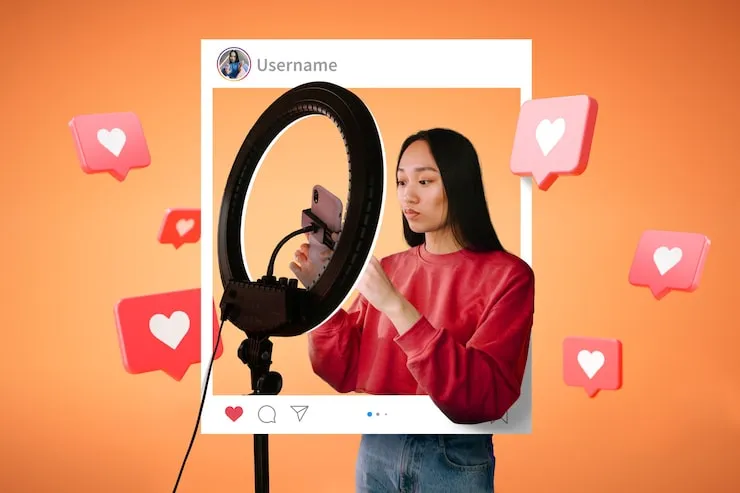
Social media is an essential part of many people's lives. We use platforms like Instagram, TikTok, Facebook, and YouTube to share photos, watch videos, and stay connected with friends and family. But while social media is fun and engaging, it also involves sharing a lot of personal information—like where we are, what we like, and even what we’re buying. This is where data privacy comes in.
Data privacy is the practice of keeping your personal information safe and secure from misuse or theft. It’s about making sure that the data you share on the internet doesn’t fall into the wrong hands and that it’s used in a way that you agree with.
In recent years, data privacy has become a bigger concern, especially as social media platforms collect more and more information about their users. As a result, social media platforms are being forced to rethink how they collect, store, and use our personal data. These changes are reshaping the way social platforms work and how we, as users, interact with them.
In this article, we will explore how data privacy is reshaping social media platforms. We’ll talk about what data privacy is, why it’s important, and how social media companies are adjusting their policies to protect users.
What Is Data Privacy?
Before we get into how data privacy is changing social media platforms, let’s first understand what data privacy is.
Every time you use a social media platform, you share data—this could be anything from your name and email address to the things you like, the photos you post, or the places you visit. This information is valuable because it helps social media companies improve their services, target you with ads, and recommend content you might like.
However, this data can also be misused. For example, if a hacker gets access to your personal information, they could steal your identity, make purchases in your name, or cause other problems. This is why data privacy is important: it’s about keeping your personal information safe and making sure that companies don’t use it in ways you don’t agree with.
Why Is Data Privacy So Important?
Data privacy has become a big topic of conversation in recent years, and for good reason. As social media platforms grow and collect more data, users are becoming more aware of how their information is being used. Here are a few reasons why data privacy is so important:
1. Protecting Personal Information
Your personal information is valuable, and it’s important that companies keep it safe. For example, your name, address, and email are all pieces of personal data that could be used by hackers for identity theft or fraud. If companies don’t protect this information, it can fall into the wrong hands, and you could end up facing serious consequences.
2. Controlling How Your Data Is Used
When you sign up for a social media account, you’re often asked to agree to a set of rules or policies, called terms of service. These rules explain how your data will be collected and used. Sometimes, social media platforms use this information to show you ads, recommend content, or improve their services. But not everyone is comfortable with how their data is used, and they may want more control over it.
Data privacy is about making sure you have control over how your data is used. It’s important for users to know when and how their information is being shared and for companies to give them the option to opt out if they don’t want to share it.
3. Avoiding Misuse of Data
There have been cases where companies have used personal data in ways that weren’t very transparent or ethical. For example, data might be sold to third-party companies, or it might be used to influence people’s decisions in ways that they don’t even know about. This is called misuse of data, and it can be harmful to users.
Data privacy laws are meant to protect people from this kind of misuse. They require companies to be transparent about how they collect and use data and to make sure that they’re not taking advantage of users.
How Data Privacy Is Changing Social Media Platforms
Social media platforms collect a lot of data, and that data is often used to show you ads, suggest new content, or improve your experience on the platform. However, in recent years, there have been many changes in how companies are handling data privacy. These changes are reshaping social media platforms and how users interact with them.
Let’s take a look at some of the ways data privacy is changing social media.
1. Stricter Data Privacy Laws
One of the biggest changes in data privacy is the introduction of stricter laws and regulations. Countries around the world have started passing laws to protect people’s personal data and make social media companies more accountable for how they use that data.
For example:
-
The General Data Protection Regulation (GDPR) in Europe is one of the strictest data privacy laws. It gives users more control over their personal data, including the right to ask companies to delete their data or stop using it for ads. It also requires companies to be transparent about how they collect and use data.
-
The California Consumer Privacy Act (CCPA) is another law that gives users more control over their personal data in California. It allows people to ask companies what data they have about them and request that it be deleted.
These laws are forcing social media platforms to change the way they collect, store, and use data. Platforms must be more transparent about what data they collect and give users the option to control it. For example, under GDPR, social media companies must ask users for permission before collecting sensitive data like location or browsing habits.
2. Changes in How Ads Are Targeted
One of the main ways that social media platforms use data is for targeted advertising. Targeted ads are ads that are shown to users based on their interests, location, and online behavior. For example, if you recently searched for a new video game, you might start seeing ads for video games on Instagram or YouTube.
However, with stricter data privacy laws and growing concerns about how much data is collected, platforms are starting to limit the way they use personal information for ads. For example:
-
Apple introduced a feature called App Tracking Transparency in 2021, which asks users for permission before apps can track their behavior across other apps and websites. This limits the amount of personal data that can be used for targeted ads on Apple devices.
-
Facebook (now Meta) has had to adjust how it targets ads because of data privacy changes, especially in Europe. Now, businesses must be more careful about how they collect data for ad targeting, and users can choose to limit how their data is used for ads.
These changes are forcing social media platforms to adapt and find new ways to deliver ads while respecting user privacy. While targeted ads are still important for businesses, platforms are now looking for ways to balance ads with privacy.
3. More Transparency and Control for Users
As data privacy concerns grow, social media platforms are starting to give users more control over their data. Users are now being offered more options to manage what data is collected and how it’s used. For example:
-
On Facebook and Instagram, users can go to their settings and see what data the platform has collected about them. They can also delete this data or choose to opt out of certain types of tracking.
-
On TikTok, users can control whether the platform tracks their activity for personalized ads or if they want to limit how their data is shared with third parties.
This shift towards more user control is part of an effort to rebuild trust between social media platforms and their users. By giving users the power to control their data, platforms are hoping to create a more transparent and secure environment.
4. Social Media Platforms Are Updating Their Privacy Policies
As social media platforms change their data collection and usage practices, they also need to update their privacy policies. These policies explain how data is collected, used, and shared by the platform.
For example, when Facebook or Instagram adds a new feature that collects user data, they update their privacy policy to reflect this change. Users are then notified and can choose whether to accept the new terms or adjust their privacy settings. By doing this, platforms are ensuring that users are aware of any new data collection practices and can make informed choices.
5. More Focus on Data Security
With all the personal data that social media platforms collect, it’s important to make sure that data is kept safe from hackers and other security threats. Social media companies are investing more in data security to protect user data from being stolen or misused.
For example, many platforms now require two-factor authentication (2FA) to help protect accounts from unauthorized access. They’re also using stronger encryption methods to secure sensitive data, like credit card information or private messages. By focusing on security, social media platforms are trying to prevent data breaches and protect user privacy.
How Does This Affect Social Media Users?
All of these changes to data privacy will have a big impact on how users interact with social media platforms. Here’s how these changes could affect you:
1. More Control Over Your Data
As social media platforms update their privacy policies, you’ll have more control over your personal data. You can decide what data you want to share with platforms, and you can delete data you no longer want them to store. This means you’ll have more power to protect your privacy.
2. Fewer Personalized Ads
With stricter privacy laws, you might see fewer personalized ads. For example, you might not see ads based on your search history or what you’ve recently looked at online. While this may seem like a good thing for privacy, it might also mean that the ads you see aren’t as relevant to your interests.
3. Better Security for Your Accounts
As platforms invest more in security, your social media accounts will be safer from hackers. Features like two-factor authentication (2FA) help make sure that only you can access your account, even if someone else knows your password.
What’s Next for Data Privacy on Social Media?
As data privacy becomes a bigger issue, social media platforms will continue to make changes to protect users. Here are some things we might see in the future:
-
More User Control: Expect platforms to give users even more control over their privacy settings and the ability to manage what data is collected and shared.
-
Stronger Privacy Laws: As concerns about privacy grow, governments may pass more laws to protect users’ data and hold social media platforms accountable for how they handle it.
-
Smarter Ads: Platforms may find new ways to deliver relevant ads without violating privacy. They might use less personal data or focus on more general targeting instead of tracking individuals.
Conclusion
Data privacy is reshaping social media platforms in big ways. As platforms change how they collect and use personal information, businesses, influencers, and users must adapt. By introducing stricter privacy laws, more transparency, and better security measures, social media platforms are working to protect user data and give people more control over their personal information.
While these changes can be challenging, they also help create a safer and more trustworthy environment for everyone who uses social media. Whether you’re sharing photos, watching videos, or engaging with friends, knowing that your data is being handled responsibly makes social media a better place for everyone. As data privacy continues to evolve, platforms will keep updating their policies to meet these new challenges and help protect their users.