In today’s world, technology is growing faster than ever, and one of the coolest trends is the rise of wearables. Wearables are gadgets that you can wear on your body, like smartwatches, fitness trackers, and even smart glasses. These devices are becoming more and more practical, meaning they’re not just for fun anymore – they’re becoming useful in everyday life. In this article, we’ll explore what wearables are, how they work, and why they’re becoming so important.
What Are Wearables?
At their most basic, wearables are devices you can wear on your body. They are different from regular gadgets because they don’t just sit on a desk or in your pocket – they go with you everywhere. Wearables can help you do things like track your steps, tell you the time, help you stay connected to your friends, and even monitor your health.
Some of the most popular wearables include:
-
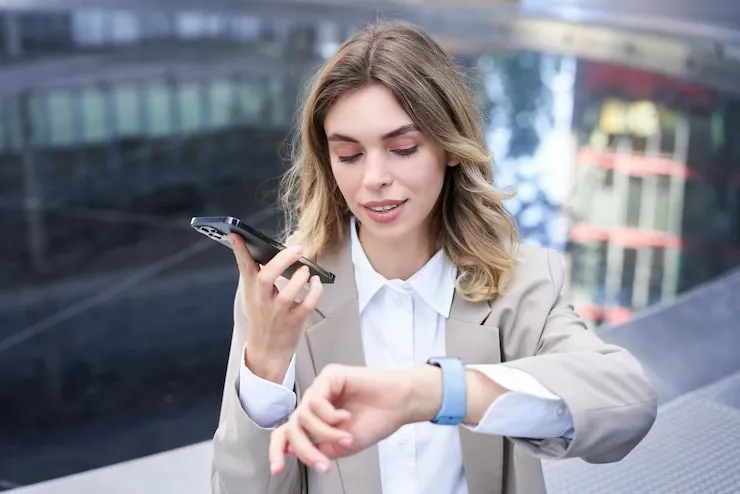
Smartwatches: These look like regular watches, but they’re much smarter! They can show you messages, track your heart rate, monitor your sleep, and even help you find your way with GPS.
-
Fitness trackers: These are small devices you wear on your wrist that track your activity. They can count how many steps you take, how many calories you burn, and how well you’re sleeping.
-
Smart glasses: These are like regular glasses, but they can show you information right in front of your eyes. They can even take pictures and videos!
-
Health monitors: Some wearables are designed specifically for health, like gadgets that check your blood sugar or monitor your heart rate.
Why Are Wearables Becoming More Practical?
Now that we know what wearables are, let’s look at why they’re becoming more practical. A few years ago, wearables were mostly for tech enthusiasts and people who loved gadgets. But today, wearables are for everyone, and they help in ways that make our lives easier. Here’s how:
1. They Help Us Stay Healthier
Wearables are great tools for monitoring our health. Devices like fitness trackers can track things like your heart rate, steps, and sleep patterns. By keeping track of these things, you can make better decisions about how to stay healthy. For example, if a fitness tracker tells you that you’re not getting enough exercise, you might decide to go for a walk or take the stairs instead of the elevator. Some wearables even remind you to move if you’ve been sitting for too long!
Many wearables also have features that can alert you to health problems. For instance, if a smartwatch notices that your heart rate is too high or too low, it can send you an alert so you can check in with a doctor. Some wearables can even help people with diabetes by monitoring their blood sugar levels.
2. They Make Communication Easier
With smartwatches and other wearables, it’s easier to stay connected with friends and family. You don’t have to keep pulling out your phone every time you want to check a message. Wearables can show your messages, calls, and notifications right on your wrist. If you don’t want to pick up your phone, you can just glance at your watch to see if you have any important messages.
Some smartwatches also let you send messages or make calls without using your phone. If you’re out running or playing sports and can’t use your phone, you can use your wearable to stay in touch. It’s super convenient and helps you stay connected, even when you’re busy.
3. They Can Help You Save Time
Time is precious, and wearables can help you save it. For example, instead of taking out your phone to check the time or look at your calendar, you can simply glance at your smartwatch. Some wearables can even help you find your way around. If you’re going to a new place, your smartwatch can show you directions, so you don’t have to stop and pull out your phone.
Additionally, some wearables have voice assistants built-in, like Siri or Google Assistant. This means you can ask your watch questions, set reminders, or make calls without needing to touch your phone. It’s a big time-saver!
4. They’re Getting Smarter
The best part about wearables is that they’re constantly improving. A few years ago, they could only track simple things like steps and calories. Today, wearables can do so much more. For example, smartwatches can now track your workouts, monitor your heart rate, and even keep an eye on your stress levels. Some wearables even have built-in GPS, so you can use them to navigate, whether you’re hiking, biking, or just walking around the city.
Wearables are also getting better at predicting what you need. For example, some smartwatches can predict when you’re about to be stressed based on your heart rate, and they’ll suggest breathing exercises to help you relax. As technology improves, wearables are becoming more and more helpful, making them even more practical.
5. They’re Becoming More Comfortable and Stylish
One reason wearables are becoming more practical is that they’re more comfortable and stylish than ever before. In the past, wearables were bulky and uncomfortable, but now, many devices are designed to be lightweight and sleek. Smartwatches and fitness trackers come in different sizes and colors, so you can choose one that fits your personal style. Some wearables even look just like regular watches or jewelry, making it easy to wear them every day without feeling like you’re wearing a gadget.
6. They’re Affordable
Wearables used to be expensive, but as technology improves, the price has dropped. Today, you can find fitness trackers and smartwatches that are affordable, so you don’t have to break the bank to get a good one. Even though they’re more affordable, these devices still offer tons of useful features. Whether you want a smartwatch to help you stay connected or a fitness tracker to improve your health, there’s something for every budget.
7. They Help You Stay Organized
With so much going on in our lives, it can be hard to keep track of everything. Wearables can help! Many smartwatches let you set reminders, check your calendar, and manage tasks. You can get reminders for things like meetings, appointments, and even when to take a break. Some wearables even allow you to control other devices in your home, like smart lights or thermostats, all from your wrist.
Real-World Examples of Wearables in Action
Now that we know why wearables are becoming more practical, let’s look at some real-world examples of how they’re being used today.
-
Fitness and Health Monitoring: Many people use fitness trackers to keep track of their daily activity. For example, a runner might use a smartwatch to monitor their distance, time, and heart rate during a run. A person with diabetes might wear a device that tracks their blood sugar levels and sends alerts if it gets too high or low.
-
Workplace Productivity: In some workplaces, wearables are used to improve productivity. For example, some companies provide their employees with smartwatches that can help them stay connected to emails, calendars, and messages. This helps employees stay on top of their work without having to constantly check their phones or computers.
-
Travel and Navigation: Wearables can help people navigate through unfamiliar places. For instance, if you’re in a new city and need directions, your smartwatch can guide you to your destination without you needing to stop and pull out your phone.
The Future of Wearables
The future of wearables looks even more exciting. As technology continues to improve, wearables are going to get even smarter, more affordable, and more comfortable. We can expect to see even more health-monitoring features, like wearables that can track your hydration levels or even detect early signs of illness.
Additionally, wearables will continue to be integrated into our daily lives. Imagine a world where your smartwatch can pay for your coffee, tell you when your favorite TV show is on, or even warn you about bad weather. Wearables are no longer just for fitness or checking messages – they’re becoming an essential part of modern life.
Conclusion
Wearables are becoming more practical every day, and they’re changing the way we live, work, and stay healthy. These gadgets are no longer just cool toys – they’re useful tools that can help us stay organized, connected, and healthy. As wearables continue to evolve, we can expect them to play an even bigger role in our lives, making everyday tasks easier and more efficient. Whether it’s a smartwatch to keep track of your health or a fitness tracker to motivate you to move, wearables are here to stay, and they’re getting better all the time.