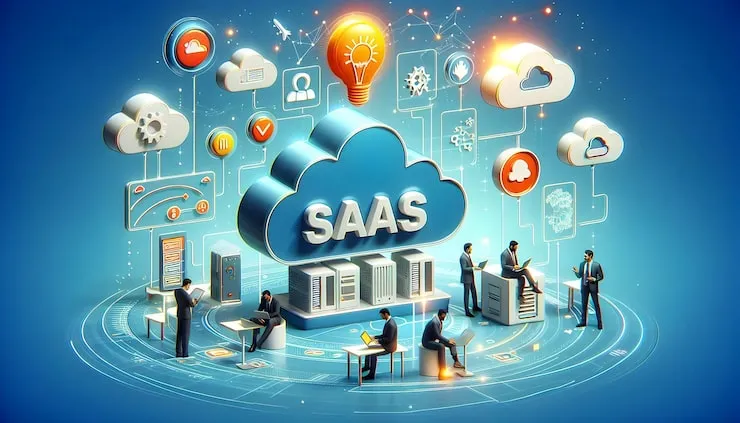
Imagine you have a favorite game that you love to play, but instead of installing it on your computer, you can play it directly from the internet, anytime and anywhere. You don’t need to worry about downloading updates or using up your computer’s storage space because everything is stored in the cloud. This is how Software as a Service, or SaaS, works for businesses. In the past few years, many companies have shifted from using old, traditional software to using SaaS platforms. These platforms allow businesses to access and use powerful software tools online without the hassle of installing or maintaining them.
In this article, we will explore what SaaS is, how businesses are using it, and why enterprises are moving toward these cloud-based platforms. By the end, you’ll have a better understanding of why SaaS is such a big deal for modern companies and how it’s changing the way they work.
What is SaaS (Software as a Service)?
To understand why SaaS is so important, we first need to know what it is. SaaS stands for Software as a Service. It’s a way of delivering software over the internet rather than on a physical device like a computer. In the past, if you wanted to use software, you had to buy a program, install it on your computer, and often pay for updates or fixes.
With SaaS, businesses and individuals no longer need to worry about installing software on their computers. Instead, they can access software applications directly through the internet, usually by logging into a website. SaaS platforms are often hosted in the cloud, which means all the data and tools are stored on remote servers and not on your personal computer. This makes SaaS software much easier to use and maintain.
Why Are Businesses Shifting Toward SaaS?
Now that we know what SaaS is, let’s look at why more and more businesses are shifting toward SaaS platforms. There are several reasons for this, and understanding them will help you see why SaaS is becoming so popular.
1. Cost Savings
In the past, businesses had to buy expensive software and install it on all their computers. They also needed to pay for updates and technical support. With SaaS, businesses only pay for what they need, when they need it, and they don’t have to worry about managing servers or maintaining software. The software is hosted online, and updates are done automatically. This means businesses can save money on IT costs, like server maintenance, and only pay for the services they use.
For example, imagine you have a small business, and you need software to help with accounting. In the past, you would have to buy a software package and install it on all your computers. With SaaS, you can simply pay a monthly fee and access the software from anywhere without needing to worry about hardware or maintenance costs.
2. Flexibility and Scalability
One of the greatest benefits of SaaS is that it allows businesses to scale easily. Scalability means the ability to grow without needing to make big changes or investments. If a company needs more users or storage, it can simply upgrade its SaaS subscription, which is much easier than buying and installing new software or hardware.
For example, a small business that starts with just a few employees might use a basic version of a SaaS tool. As the business grows and hires more people, it can easily upgrade to a more advanced version of the software. This flexibility makes SaaS a great choice for companies of all sizes.
3. Access Anywhere, Anytime
With traditional software, you can usually only use it on the computer where it’s installed. But with SaaS, businesses can access software and data from anywhere, as long as they have an internet connection. This is especially helpful for businesses that have remote workers or multiple locations.
For example, imagine a company with employees working in different cities. With SaaS, all employees can log into the same platform, access the same data, and collaborate in real-time, no matter where they are. This helps teams work together more efficiently and improves productivity.
4. Automatic Updates and Maintenance
One of the challenges with traditional software is that companies often need to manually install updates and patches. This can be time-consuming and lead to security vulnerabilities if updates are not applied correctly. With SaaS, updates and maintenance are handled by the service provider, so businesses don’t have to worry about them. The software is always up-to-date with the latest features and security improvements, which reduces the risk of issues or security breaches.
For example, a company that uses SaaS for customer relationship management (CRM) will always have the latest tools and features, without needing to manually update the software. This makes life easier for the IT team and ensures that the business is always using the best and most secure version of the software.
5. Collaboration Made Easy
SaaS platforms often include features that make it easier for teams to collaborate and share information. Since everything is stored online, multiple people can work on the same document, project, or report at the same time, no matter where they are. This eliminates the need for emailing files back and forth or worrying about version control.
For example, tools like Google Docs or Microsoft 365 allow teams to work together on documents in real-time, making collaboration faster and more efficient. These tools also let employees leave comments and track changes, which makes it easier to keep everyone on the same page.
Types of SaaS Platforms Businesses Are Using
There are many different types of SaaS platforms, and businesses are adopting them for a wide range of purposes. Let’s look at some of the most common SaaS platforms that enterprises are shifting toward:
1. Customer Relationship Management (CRM)
CRM platforms help businesses manage their relationships with customers. They allow companies to track customer information, manage sales, and automate marketing efforts. Popular CRM platforms like Salesforce and HubSpot are used by businesses to improve customer relationships, increase sales, and provide better service.
For example, a sales team might use a CRM platform to track leads (potential customers), send automated emails, and schedule follow-up calls. This makes the sales process more organized and ensures that no leads are forgotten.
2. Project Management and Collaboration Tools
Project management tools like Trello, Asana, and Monday.com are used by businesses to organize tasks, assign work, and track progress on projects. These tools help teams collaborate more effectively by providing a shared space where everyone can see what’s happening and contribute to the project.
For example, a team working on a product launch might use a project management tool to assign tasks, set deadlines, and track progress. This ensures that everyone is on the same page and that no steps are missed.
3. Accounting and Finance Software
SaaS platforms are also used for accounting and financial management. Tools like QuickBooks Online and Xero allow businesses to manage their finances, track expenses, and generate financial reports all in one place. These platforms make it easier to stay organized and ensure that financial information is accurate and up-to-date.
For example, a small business owner might use QuickBooks Online to track income and expenses, generate tax reports, and manage payroll. The software automatically updates and syncs with the bank, making financial management much easier.
4. Communication and Video Conferencing
With remote work becoming more common, communication tools like Slack, Zoom, and Microsoft Teams have become essential for businesses. These platforms allow teams to chat, hold video meetings, and share files, all in one place.
For example, a company with employees working in different cities can use Zoom for video calls, Slack for team communication, and Microsoft Teams to collaborate on documents. These tools make remote work more efficient and help employees stay connected.
5. Marketing Automation
SaaS platforms like Mailchimp, Marketo, and Hootsuite help businesses automate their marketing efforts. These tools allow businesses to send out emails, manage social media accounts, and track the success of their campaigns, all from one platform.
For example, a company might use Mailchimp to send out weekly newsletters to customers, while using Hootsuite to schedule social media posts. These platforms make it easier for businesses to reach their audience and track how their marketing campaigns are performing.
The Future of SaaS
The future of SaaS looks very promising, with many new developments and trends on the horizon. Here are a few things to look out for:
-
More AI Integration: As artificial intelligence (AI) becomes more advanced, SaaS platforms will likely integrate AI tools to make them even smarter. AI could help businesses analyze data, predict customer behavior, and automate even more tasks.
-
Greater Personalization: SaaS platforms will continue to get better at offering personalized experiences. Businesses will be able to tailor software features to their specific needs, making SaaS platforms even more useful.
-
More Security Features: As businesses store more data in the cloud, security will become even more important. SaaS providers will continue to improve security features to protect sensitive business data from cyber threats.
Conclusion
SaaS platforms are quietly transforming the way businesses operate, making them more efficient, cost-effective, and flexible. From customer relationship management to project management and accounting, SaaS tools are helping businesses of all sizes streamline their processes and stay connected. As more companies shift toward cloud-based platforms, we can expect to see even more innovation and exciting features in the future. SaaS is changing the business world, and it’s clear that it’s here to stay.