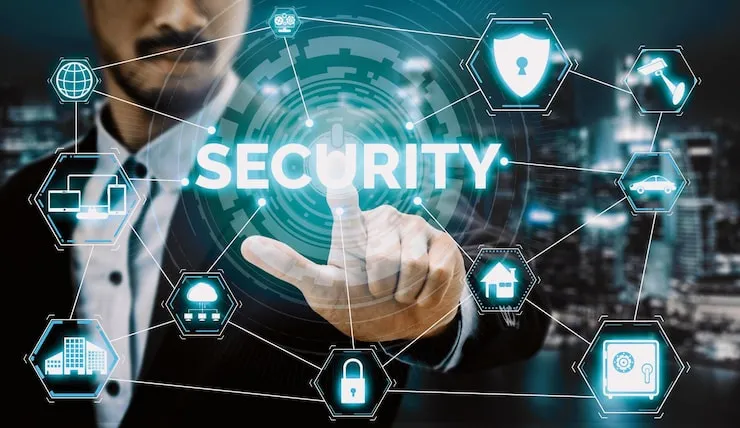
Today computers, internet and mobile gadgets are a part of nearly every business activity. Businesses use technology to keep data about customers, communicate with them via email and manage their money, create products, and interact to people across the world. It makes the work process faster and more efficient, but also introduces new threats. Hackers and cybercriminals are trying to penetrate the systems, steal information, or make trouble, either for enjoyment or to make money.
Cybersecurity refers to safeguarding computers, networks as well as information from digital cyber-attacks. Large companies, sometimes known as enterprise, keeping safe online is vital as an attack that is serious could stop operations, cause harm to customers and even cost cash. The article will explain the most prevalent cybersecurity risks companies must be prepared for in a simple and direct approach that 12- to 13 year olds are able to comprehend.
What Is a Cybersecurity Threat?
Cybersecurity threats are anything intended to compromise systems of computers or to steal data by using digital methods. Instead of entering the building using tools, cybercriminals employ software, fake email addresses or other tricks that allow them to gain access to networks. They may be looking to steal passwords, copying private data and locking computer systems so that they can't be accessed, as well as monitoring business activity.
Companies are often targeted due to the fact that they hold large quantities of important data including customer's names, details of payment and company secrets. They know that firms rely in large part on technology, and creating problems online could cause huge disruptions in the real world, too.
Phishing Attacks That Trick People
The most frequent cyber-security threats is the threat of phishing. Phishing is when attackers make fake email as text messages or web links that appear like real. They may pretend to be from a manager an institution, a bank or even a reputable business. It is the intention to deceive people into clicking on a link download a file or entering passwords and other information about their personal.
Within an organization, an employee who is enticed by an email that is phishing could allow attackers to gain access to the entire system. In the case of a false message could say the account is experiencing problems and should be addressed immediately. After someone clicks the link, and then enters their login credentials an attacker collects these details for accessing corporate system.
Since phishing depends on human errors, companies need to train their workers on how to spot suspicious messages and be cautious prior to clicking on links that are not known or attachments.
Ransomware That Locks Important Files
Ransomware is among the biggest pitfalls facing businesses presently. The type of attack is dangerous software that enters the computer network, and also locks pivotal lines to help them from be uncorked. bushwhackers will also ask for plutocrat, known as rescue, to unleash the lines.
Imagine a medical facility, school or factory abruptly shutting down its system. Doctors may not be able to access the patient's records, instructors may have trouble accessing student data as well as machines within factories might not function. This will show how dangerous ransomware can be.
The most common way to spread ransomware is via phishing dispatch, unsecure downloads, or insecure watchwords. Businesses can prepare themselves for the trouble by having backups of their lines as well as regularly streamlining their software and educating their workers to stay clear of suspicious lines.
Malware That Hides in Systems
The term "malware" is used to describe for malicious programs that are created to attack computer systems, track users or take information. The aforementioned worms, viruses and spyware are all forms of malware. Certain malware can slow down systems as well as secretly recording the words people type onto their keyboards, such as passwords.
Within enterprises, malware may get into email attachments that are infected and unsafe websites. It can also be accessed through old software with security vulnerabilities. Once it is inside, it could propagate to a variety of servers and computers, creating massive problems.
To combat malware, associations employ technical security software that detects pitfalls as well as blocks dangerous websites and observers for unusual geste
in the networks. Maintaining systems up- to- date is pivotal because upgrades frequently correct vulnerabilities that hackers could exploit.
Data Breaches That Expose Secrets
Data breaches occur in the event that attackers are able to break into an organization and take private details. It could include names of customers and addresses or credit card information, as well as employee data. Information breaches could hurt those who's information has been stolen, and harm the reputation of the business in addition.
Data breaches can occur as a result hackers, however other occasions, they happen due to errors. An employee, for instance, may accidentally email files to a in the wrong place or let a database be exposed to the Internet without security.
Enterprises strive to stop security breaches through limiting those who have access to information by using passwords that are secure, making sure that data is encrypted so it appears as if it's scrambled for anyone else while also looking over their systems for any unusual activities.
Insider Threats From within
Some cybersecurity threats do not are posed by strangers online. Threats from insiders come from individuals working within an organisation. They could come from someone who has made a mistake like clicking a harmful URL or someone who purposefully seeks to steal information or cause damage.
As insiders might have access to system which they have access to, their actions may cause a lot of damage. As an example, someone quitting a job could download confidential files or an employee who is careless may share their password with a person who is not supposed to be able to access it.
Businesses can limit bigwig pitfalls by allowing workers access to the data they bear, covering the system's exertion and educating workers about the significance of safe online conduct. Establishing a culture of responsibility and mindfulness helps all workers be apprehensive of security.
Weak Passwords and Stolen Logins
The passwords you choose to use are similar to keys for digital entrances. If passwords are too straightforward, for example "123456" or "password," hackers can figure it out very easily. Some hackers take passwords via phishing or other malware. They then utilize them to gain access to systems and not raise alarms.
Enterprises are at risk when employees use the same password on multiple accounts or share passwords other. If attackers are able to access the password they need to their account, they could move through the network without a trace and search for sensitive system or data to monitor.
To guard against the threat Companies encourage secure passwords that contain numerals, letters, as well as symbols. A lot of companies also employ additional precautions to secure their data, for example providing a password to the phone every time someone logins, making it difficult for criminals to gain access even if they manage to steal the password.
Attacks That Overwhelm Systems
A few cyber attacks do not focus in stealing information, but rather closing down systems. The most common attack is an attack known as a denial of-service. When this happens, hackers overflow a site or network with a huge amount of data that the site becomes sluggish or totally unavailable to real users.
In the case of an enterprise the situation could result in clients are not able to make purchases or employees are unable to access the devices, or services online cease to function for hours, or even for days. The disruptions could be expensive and can be frustrating.
The companies are prepared for these attacks using specific security measures for their networks, including spread their systems over many servers, and collaborating with Internet service providers to block any suspicious data prior to it causing major issues.
Risques from New Technology
In the process of implementing new technologies including clouds, smartphones or artificial intelligence, security concerns arise. The cloud storage of data requires companies to trust third party service providers, and ensure that all settings are set up correctly so that information can't be left unintentionally open.
Networked devices that are connected to smart phones like cameras, or sensors used in factories, could be targets too when they're not secured adequately. Small things, such as the printer that is not secured properly or thermostat could provide criminals access to an entire system.
Making sure you're set for similar pitfalls involves being apprehensive of any new technology previous to applying it, icing that bias are streamlined regularly, and icing that security is integrated into the system at the onset rather than being added in the last nanosecond.
Why Preparation Matters So Much
Cyberattacks can strike in any moment No company can be 100% secure. Therefore, preparation is essential. Companies create security strategies and train their employees. They also test their systems to identify weaknesses and then practice responding in the event of a problem.
A well-planned response strategy could make a big impact. If an organization is quick to recognize an attack, pinpoints the issue, then fixes the issue, the damages can be significantly less. A regular backup, consistent communication and collaboration each play an important role in being secure during a cyber attack.
Final Thoughts on Cybersecurity Threats
Cybersecurity risks pose a significant problem for businesses operating within the digital age. Ransomware, phishing emails and malware, data breach and insider errors, insecure passwords, as well as system overloading attacks are a few examples threats companies should be prepared for. With the pace of technology changing and new threats emerge, they will be there making staying aware and well-informed more crucial more than ever before.
The knowledge of children about these principles shows how vital it is to be safe online, be it at school, home, or at the workplace in the near future. Making sure you use secure passwords, taking care about emails, and observing the rules of digital communication are all habits that can protect all users.
Companies that are serious about cybersecurity and invest in security and train people in the importance of online security have a greater chance of being protected. In an era where much is dependent on technology being aware of how to protect yourself from cyber-attacks isn't just clever, it's vital to ensure the security of our future.